|
|
|
1301 EUR
|
|
price without VAT: 1058 EUR
|
| |
 Shop online: Shop online:
● ready for shipping
Shop in Warsaw (qty): 1
● ready for shipping
Shop in Chorzow (qty): 1
● ready for shipping
|
|
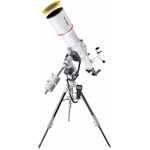
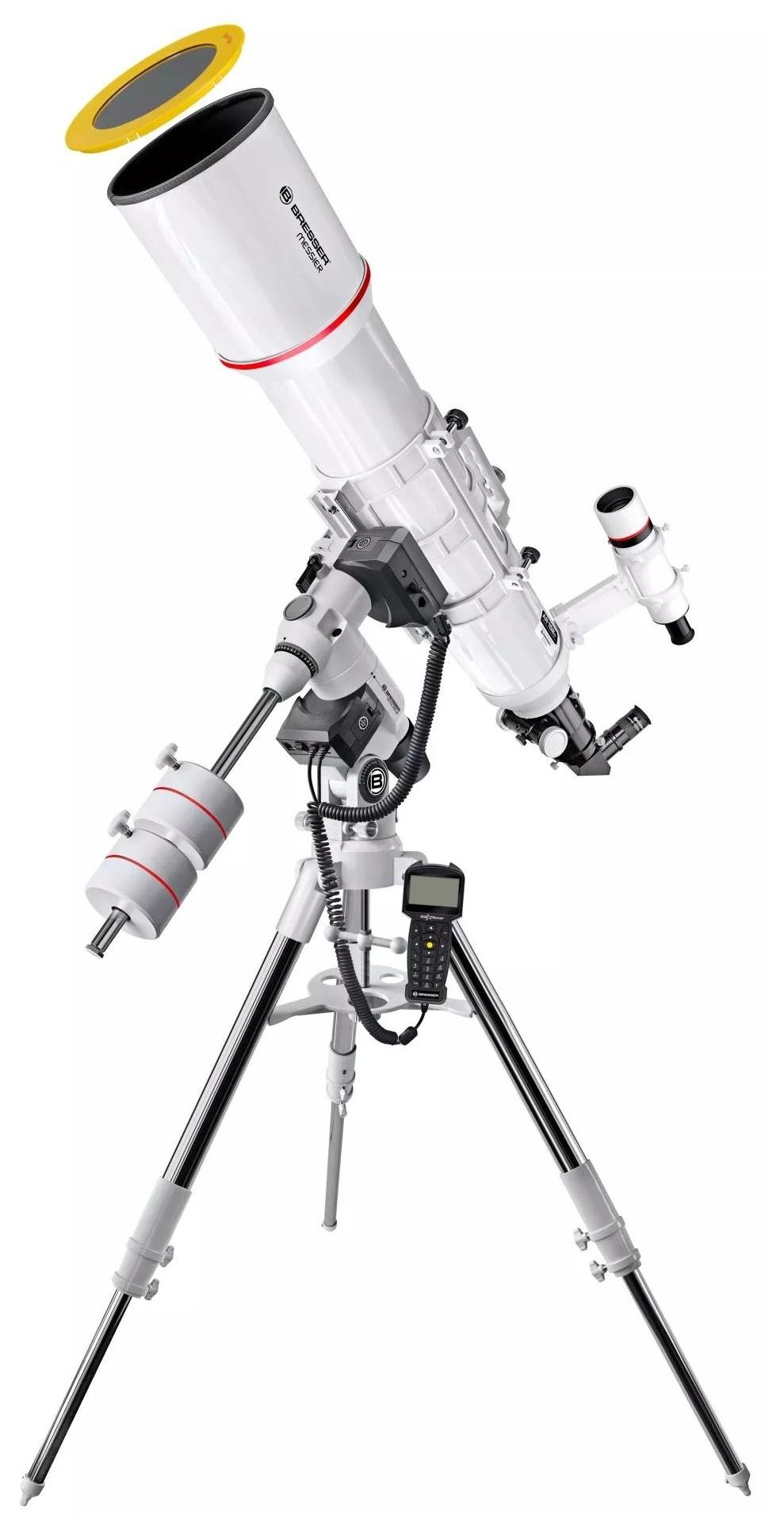
Messier AR-152S EXOS-2 GOTO is a combination of a fantastic quality 152 mm Petzwal objective lens (four-element neoachromat) and a great German mount with the StarTracker search system.
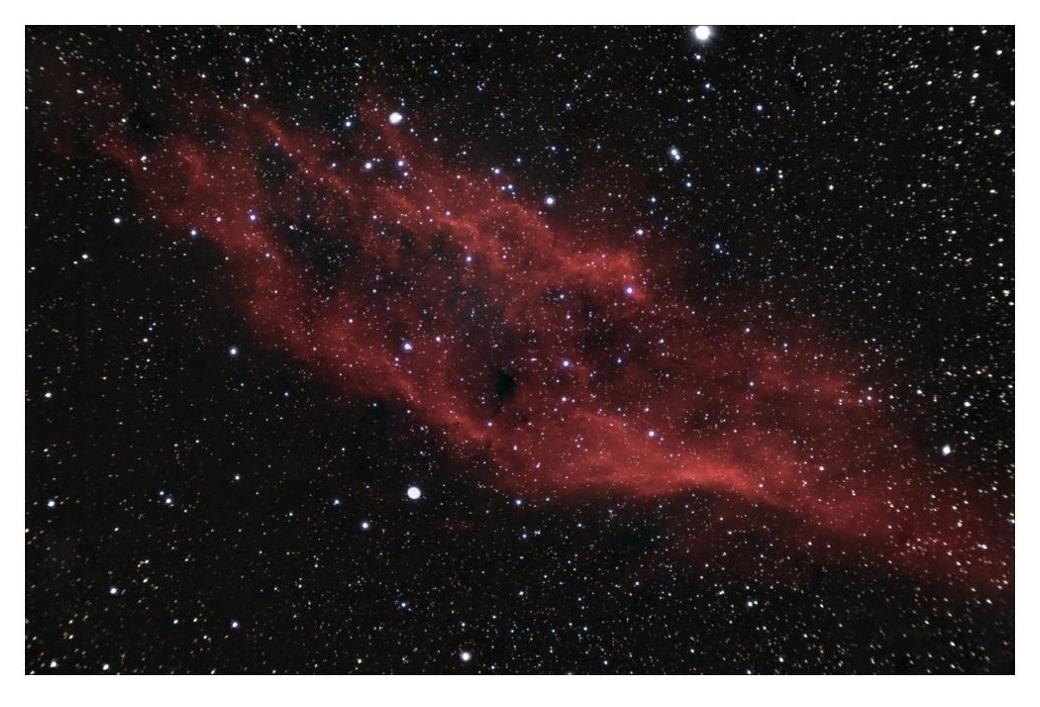
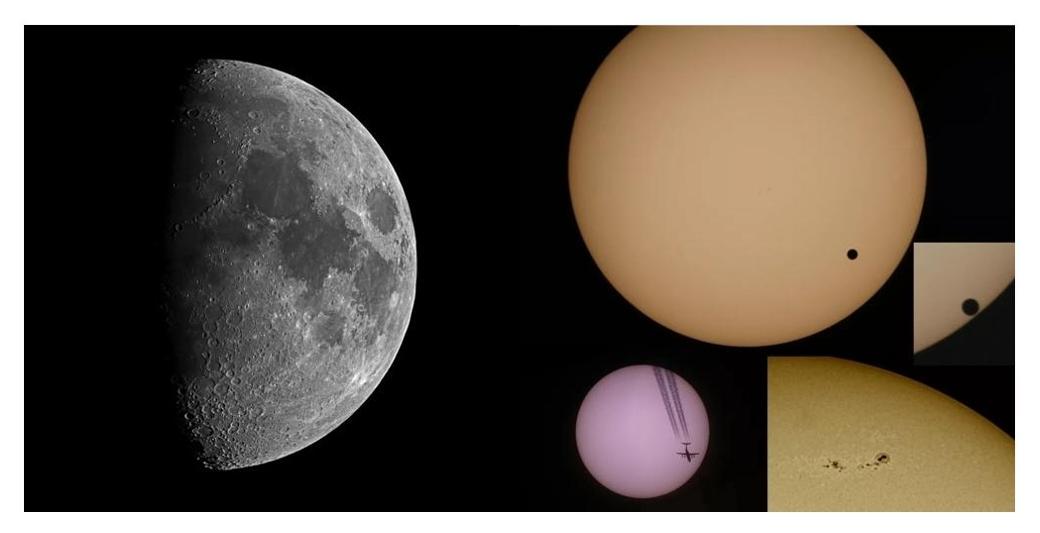
Great kit for advanced astrophotography! The Messier AR-152S optical tube is a high-class achromatic refractor dedicated to advanced visual observations and astrophotography. It is equipped with a 152 mm diameter objective lens with a focal length of 760 mm built from 4 lenses (Petzwal type design). Thanks to this, despite its high light intensity, this telescope is characterized by a large flat field of view. It works perfectly in visual observations of planets and the Moon, showing a lot of details of the surface of objects in the Solar System. Among deep sky objects, it allows you to see hundreds of nebulae from the Messier and NGC catalogs. Optics fully covered with anti-reflective coatings (MC).
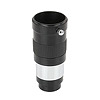
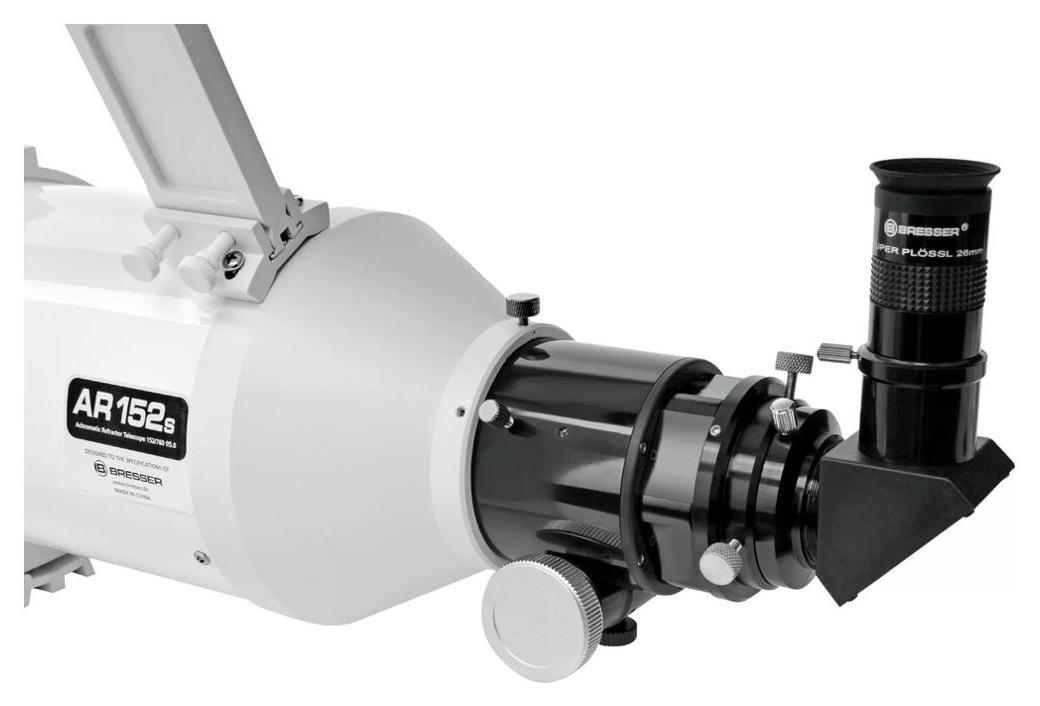
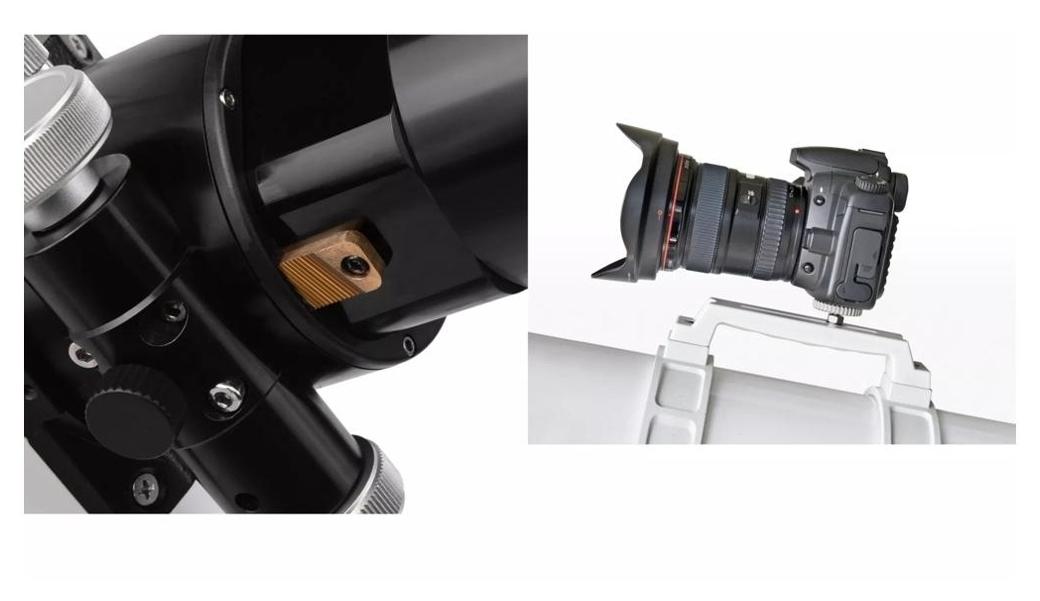
The telescope is equipped with a new Hexfoc eyepiece extension tube. The geometric design of the extension tube is based on a hexagonal profile corresponding to a diameter of 2.5 inches. This provides high rigidity unheard of in extension tubes in this price range. The extension tube can be expanded with a precise focusing module with a ratio of 10:1. Thanks to this, even relatively heavy cameras and accessories can be operated without deflection and loss of axiality. Additionally, the significant diameter allows for organic vignetting.
This telescope is an excellent choice for advanced skygazers.
Optical system
• high efficiency of the system and durability of the optics
• durability and timeless appearance of the tube
Optical system mount
• metal tube mounting rings
• dovetail equipped with a stainless steel rail ensuring secure attachment of the tube in the mounting head and increasing the durability of the dovetail
• handle for easy carrying of the tube
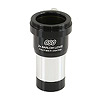
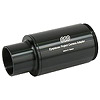
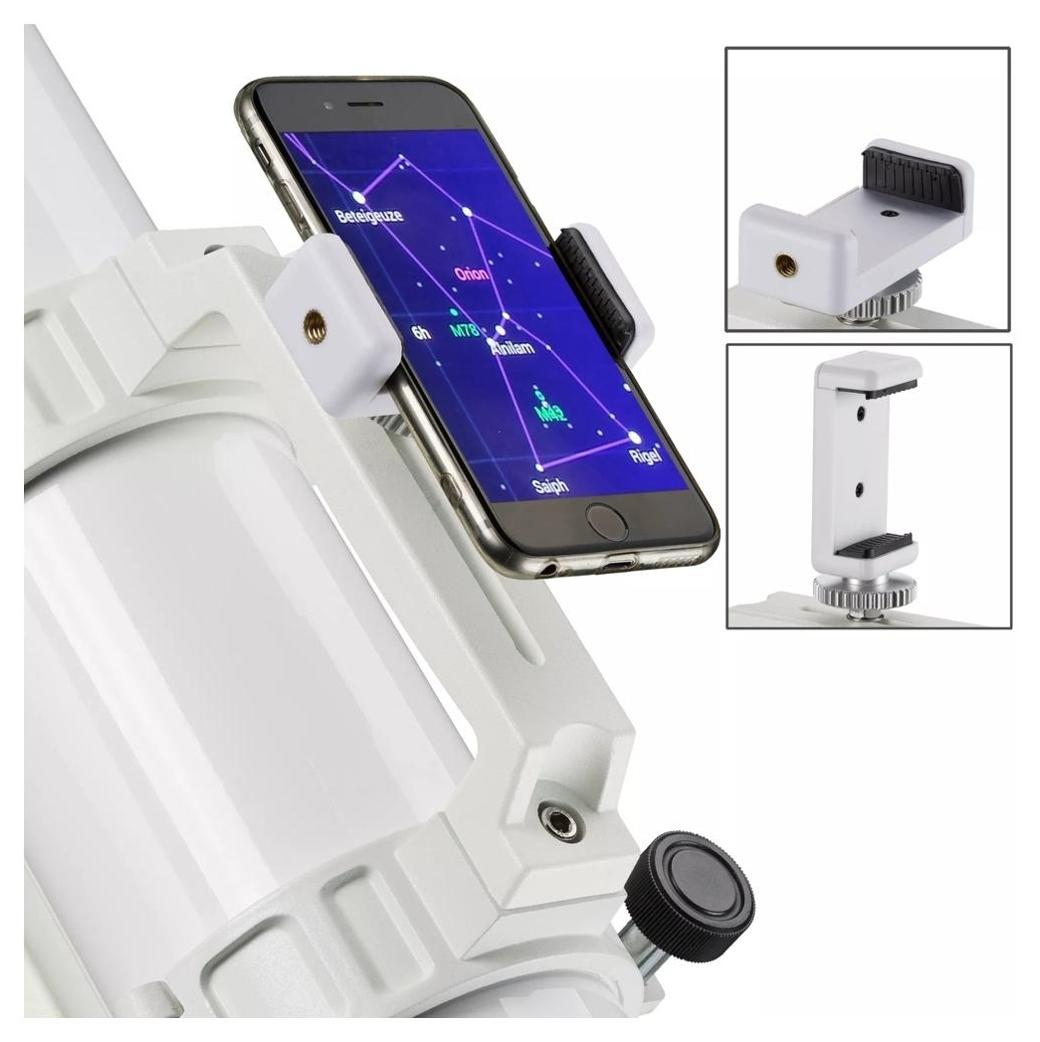
• piggyback camera adapter for attaching a camera
Spectacle focuser
• 2.5" / 2" pull-out equipped with a clamping ring with a hexagonal sleeve
• 2" to 1.25" reduction equipped with a clamping ring and M42x0.75 (T2) thread
• millimeter scale for easy focusing of images
• high precision of the focus knob
Equipment
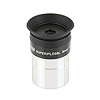
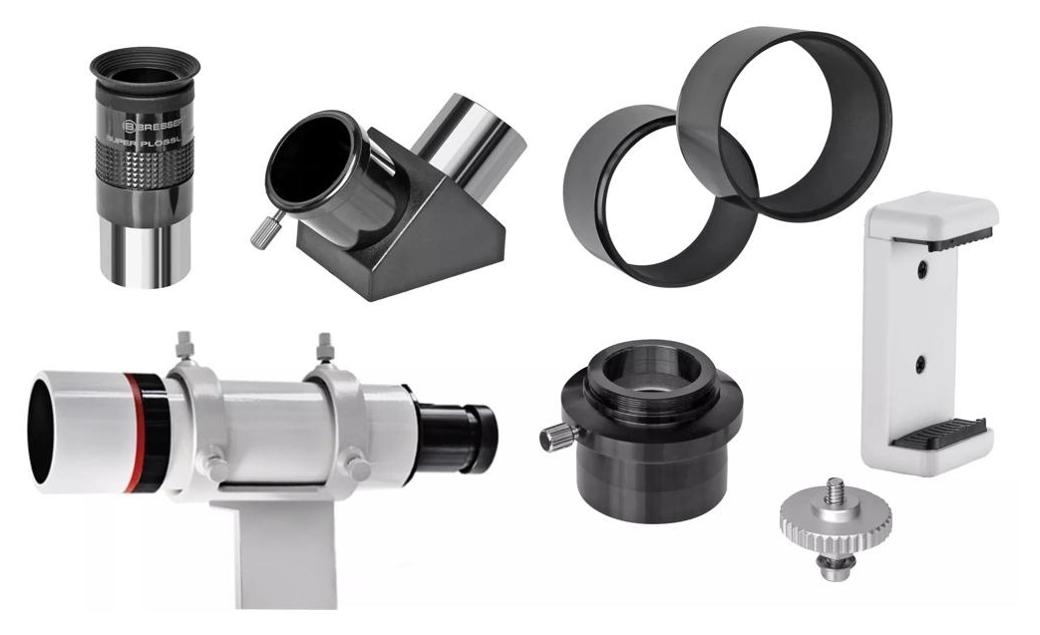
• SPL eyepiece 26mm / 1.25"
• 8x50 mm finder with crosshair
• 90° mirror angle connector/cap 1.25" | • Optical system: | 4-lens achromatic refractor (Petzwal) | | • Lens diameter: | 152mm | | • Lens focal length: | 760mm | | • Light Force: | 1/5 | | • Resolving power: | 0.92'' | | • Theoretical star range: | 13.0mag | | • Maximum usable magnification: | 300x | | • Maximum extension length: | 4.5 cm | | • Outer diameter of dew cap: | 21 cm | | • Tube diameter: | 15.9 cm | | • Optical tube length (with dew shield): | 112.5 cm | | • Dewdrop: | removable, tube length after removing the dew cap approx. 90 cm | | • Libra: | 9.5 kg (tube + dew shield + clamps with dovetail, without finder, without angle, without eyepiece) |
The set includes the following items: • Optical tube with clamps and dovetail rail
• 2'' focuser with 1.25'' reduction, millimeter scale and T2 photo thread
• SPL eyepiece 26mm / 1.25"
• 8x50 scope with reticle
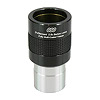
• 90° mirror angle connector 1.25"
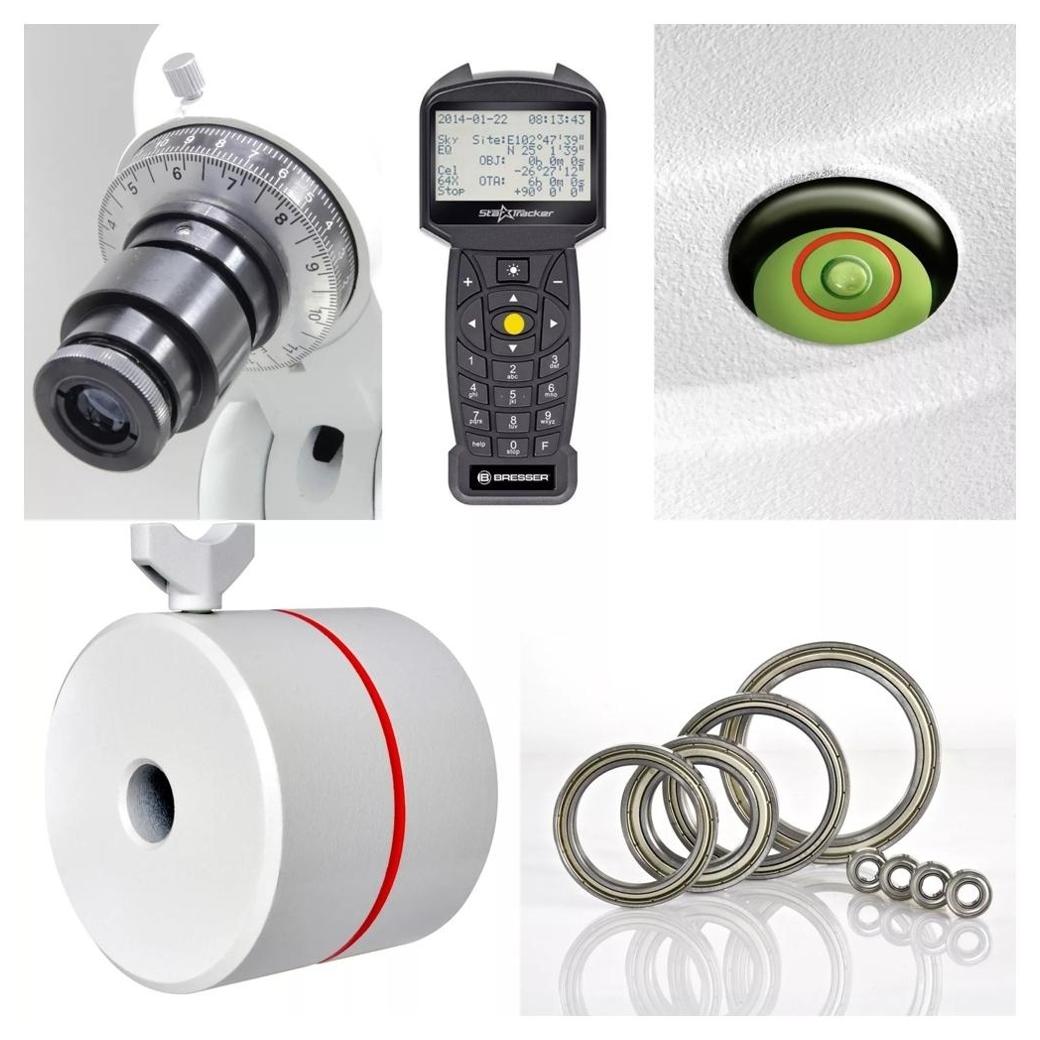
Bresser EXOS-2 GOTO is an astronomical mount equipped with a rigid steel tripod with a parallactic head and an electronic GO-TO object search and positioning system. Independent movement in the right ascension (RA) and declination (Dec) axis is smooth (with a small PE periodic error) thanks to four precision steel bearings. Precision worm gears enable the telescope to rotate and precisely track objects. Nine speed ranges allow for quick setting of the telescope to the desired area of the sky.
The payload capacity of 13-14 kg allows this mount to accommodate optical tubes with a diameter of 152 mm for refractors, 180 mm for Maksutovs, 203 mm for SCTs, and 203 mm for Newtonian telescopes.
The drive can be powered by 8 R20 batteries, through the car cigarette lighter socket or with an AC adapter.
The mount is designed for demanding observers. The StarTracker system with GoTo and a database of 30,000 objects allows easy searching and tracking of planets, stars, star clusters, galaxies and satellites. The StarTracker controller has attractive tour routes in its database. Just enter the date, time and location. The StarTracker controller can be updated.
Solid construction, excellent assembly finish combined with a stable tripod enable visual observation and photography at the highest level.
• type of mounting: German parallax class EQ-5
• drive: DC motors with optical encoders in both axes
• GOTO system: yes, StarTracker driver with a database of over 30,000 objects
• remote control: yes
• illuminated polar scope: yes
• guiding option: yes, the panel has an ST-4 port
• power supply: 12 V 8 D batteries (R20), car cigarette lighter socket or optional mains adapter
• maximum load: 13 kg
• Periodic Error Correction (PEC)
• system for increasing the precision of hitting the object (HPP - High-Precision Pointing)
• instructions in Polish: yes
• shelf for accessories: yes
• head weight: 6.3 kg
• counterweight: 1x 4.5 kg
• weight of the tripod: 2.9 kg
• tripod height: 68 - 108 cm
• field tripod: steel, 1.5" legs Moon planets star clusters nebulae PC control
10 years (manufacturer's warranty)
This device focuses a large amount of light. Looking directly at the Sun through this device can cause partial or complete loss of vision. For observing the Sun, we recommend the safest method of eyepiece projection, i.e. projecting the image of our daytime star's disk onto a sheet of paper.
READ : A QUICK GUIDE TO CLEANING OPTICS
 [PDF] [PDF]
READ : HOW TO CONNECT A COMPACT CAMERA TO A TELESCOPIC
[PDF]
READ : HOW TO CONNECT A DSLR TO A TELESCOPE
[PDF]
>> FREQUENTLY ASKED QUESTIONS <<
(click to expand the list of questions) Question : Can a beginner assemble and operate this telescope?
Answer: We deliver a comprehensive manual in Polish to each telescope, which will tell the user how to assemble the telescope and how to use it during observations. Customers usually have no problems assembling the telescope, as long as they read the manual.
A separate issue is searching for objects in the sky during the first observations. That is why we recommend educational items from the Publications section (especially maps and astronomical guides) and Stellarium: an excellent, free "planetarium" program in Polish, ideal for learning the sky and planning observations.

ENTER AND DOWNLOAD STELLARIUM FOR FREE Question : Can I attach a DSLR camera to this telescope? What accessories are needed?
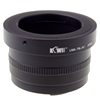
Answer: Of course YES, you can connect a DSLR camera to this or any other telescope. You will need a projection adapter and a T2 ring appropriate for your DSLR camera (there are 5 DSLR camera mount standards: Canon EOS, Nikon, Olympus E, Petax K and Sony Alfa / Minolta AF). These adapters are available in our online store in the astronomy accessories section. Question : Can I attach a compact camera to this telescope? What accessories are needed?
Answer: Of course you can. You can find a suitable shelf for compact cameras in the astronomy accessories section of our online store ( universal adapter for digital compact cameras ). Question : Can a HYBRID camera (a large compact SLR-sized camera) be attached to this telescope? What accessories are needed?
Answer: You can try this, but it is not recommended. So-called hybrids are not very good for astrophotography, because they do not have the option of taking off the lens like a SLR, and they are large and have large lenses, which means that shelf systems cannot be used, and the vignetting is high, because you cannot get the lens very close to the last optical surface of the telescope eyepiece. We recommend buying a SLR or a cheap compact. Question : What else is worth buying for this telescope?
Answer: The presented telescope is a complete set ready to conduct astronomical observations on the first clear night. As an addition, we recommend educational publications first, which will make both using the telescope and the observations themselves more conscious and easier. In addition, it is worth considering buying planetary contrast filters and solar filter foils (available in the astronomical accessories section). Question : Can this telescope be used as a spotting scope/nature scope?
Answer: Yes, the offered telescope is an achromatic refractor, for which after using an angle connector ( included in the set ) we will obtain an uninverted, terrestrial image. Thanks to this, this telescope can be used as an observation telescope. It is worth remembering, however, that its main purpose is astronomical observations.
An astronomical telescope is usually a rather bulky viewing telescope. On the other hand, a spotting/viewing telescope will give correct images of only some astronomical objects, offering a compact, easily portable, often waterproof design. Question : Can I observe both planets and nebulae with this telescope? Is this a city or country telescope?
Answer: All offered telescopes allow you to observe the planets of the Solar System (all of them) and nebulae, or more precisely galaxies, star clusters, emission nebulae, etc. A separate issue is the clarity of the details of the planets' surfaces and the number and brightness of nebulous objects. A smaller telescope has its own sky, a large one - its own, but we can always count on wonderful observations of the structures of the Moon's surface, the phases of Mercury and Venus, the disk of Mars, the belts on Jupiter and the four Galilean moons of Jupiter, the ring of Saturn and the disks of Uranus and Neptune. The brightest nebulae, such as the Great Andromeda Nebula M31, the Great Orion Nebula M42 or the globular cluster in Hercules M13 always delight, even a small telescope will show several dozen of the most beautiful nebulae. Finally, a telescope equipped with a solar filter can be used to observe spots on the Sun's disk.
There is no division into city and country telescopes, rather there are recommendations: if the telescope will be used mainly in the city, in conditions of city light pollution and high atmospheric instability (buildings give off heat at night, heating the air and the image starts to "float" like on hot days over a hot road!), then an achromatic refractor (lens telescope) or Maksutov (meniscus - mirror) is recommended. Our target will be mainly planets and compact objects. In turn, under pitch-black, country skies, it is worth using a Newtonian system telescope (mirror) with the largest possible mirror we can afford, because we can count on a more stable and clearer atmosphere and great possibilities for observing nebulae. Question : Does this telescope include a tripod/mount?
Answer: Of course YES, every telescope has a mount unless it is described as OTA ( Optical Tube Assembly). Question : You write that the telescope comes with assembly, does that mean you will come and assemble the telescope for me?
Answer: Mounting does not mean mounting , but a system for mounting the telescope tube. It must be understood that we never conduct observations "by hand" with an astronomical telescope - we must mount the telescope on a system that allows its precise setting to any region of the sky.
In the case of an equatorial (also called equatorial or equatorial) mount , the optical tube of the telescope is mounted on a tripod with a moving head that has two axes: the hour axis (right ascension axis) and the declination axis, corresponding to the coordinates of objects on the celestial sphere. Don't worry - it's not difficult, although the names may seem exotic at first. The equatorial mount has one axis (right ascension axis) set so that when the telescope rotates, it moves like the stars in the sky. At our latitudes, objects do not move in straight lines or circles (unlike at the poles, where they move in circles parallel to the horizon, or on the equator - where they rise and set always perpendicular to the horizon), but in arcs.
In practice, a properly set equatorial mount allows you to follow astronomical objects by moving the telescope in only one axis, allows you to take pictures of the sky with exposure times longer than a few seconds, and allows you to mount a clock drive/motor to compensate for the Earth's daily rotation. In short, an equatorial mount is a typical astronomical mount. |