Celestron Omni XLT 150 is a Newton's telescope with a diameter of 150 mm and a focal length of 750 mm on the German CG-4 parallactic assembly. The optics are built from the main parabolic mirror with a large f / 5 light ideally suited for observing and photographing nebular objects.
At the same time, it is a very versatile telescope with versatile applications - it can be used for advanced observations of the Moon and planets, open and spherical clusters.
In good conditions of observation, all the most interesting objects of the night sky are within reach of the telescope: all planets, the Moon, all objects in the Messier catalog and many of NGC.
The Celestron Omni XLT telescope optics are coated with StarBright XLT anti-glare coatings to ensure very high efficiency of the optical system.
The CG-4 assembly is a recognized quality of workmanship - a steel tripod with a shelf for accessories, a robust parallactic head with considerable capacity, and microtubes on chirping in both axes. Optionally, this assembly can be equipped with a drive in one or two axes, as well as in the GOTO system (compatible with the accessories intended for Sky-Watcher EQ-3-2).
Moon
the planet
star clusters
nebulae
scenery
| • Optical system: | Newton's headlamp |
| • Lens diameter: | 150 mm |
| • Focal length of the lens: | 750 mm |
| • Lighted: | 1/5 |
| • Non-reflective layers: | StarBright XLT |
| • Theoretical range: | 13.4 magnitude |
| • Switching capacity: | 1.1 " |
| • Range of useful magnifications: | 21 - 350x |
| • Length of the optical tube: | 673 mm |
| • Weight: | 20.5 kg (including tube: 5.5 kg, head: 9.5 kg, field tripod: 5.5 kg) |
The set includes the following accessories:
• 1.25 "focuser
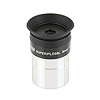
• 25mm 1.25 "50 ° AFOV eyepiece (30x, 1.67 °)
• optical finder 6x30
• assembly: paralactic Omni CG-4
• steel field rack with accessories shelf
• counterweight: 3.2 kg + 1.8 kg
2 years


READ : A SHORT OPTICAL CLEANER GUIDE
 [PDF]
[PDF]
READ TO: HOW TO CONNECT COMPACT WITH TELESCOPIC
[PDF]
READ TO: HOW TO JOIN THE DIGITAL MALE WITH A TELESCOPIC
[PDF]
This device focuses a lot of light. Looking directly at the sun through this device can result in partial or complete loss of vision. For the observation of the Sun, we recommend the safest method of spectacle projection, that is, projecting the image of the target of our day star on a piece of paper.