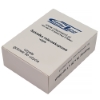
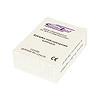
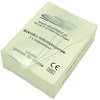
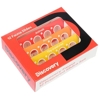
Our proprietary set of stains and microscopic dissecting tools, professionally selected and prepared by our specialist, is probably the most interesting ready-to-use set of its kind on the market. The set comes with comprehensive instructions for preparing the slides and selecting the appropriate staining method for specific biological materials.
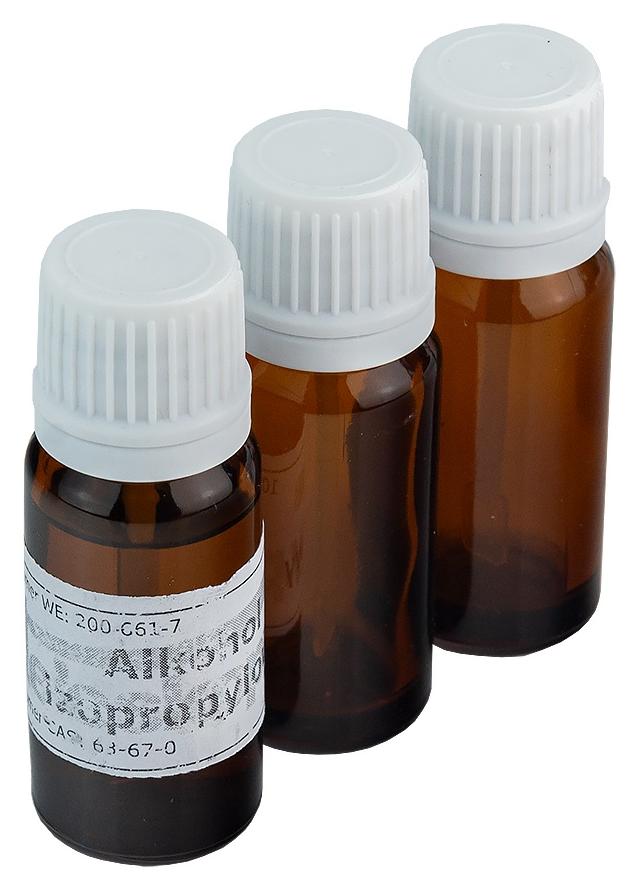
The prepared dyes are aqueous solutions with concentrations ranging from 0.1% to 10% – concentrations are adjusted depending on the dye's nature and needs. Distilled water was used to prepare the solutions, along with an appropriate amount of ethyl alcohol, as needed. The kit includes the following dyes (approximately 10 ml each) in brown glass bottles equipped with a dropper:
• Lugol's solution - an aqueous solution of iodine in potassium iodide, used to stain bacteria using the Gram method, starch, and cell cytoplasm
• crystal violet - an aqueous solution with the addition of alcohol for staining bacteria using the Gram method
• safranin 'O' - an aqueous solution with added alcohol for staining bacteria with the Gram method, lignified cell walls
• nigrosine - 10% aqueous solution - vital negative staining of microorganisms, including bacteria and protozoa
• neutral red - aqueous solution with the addition of acetic acid - vital staining of microorganisms, especially protozoa
• Congo red - stains yeast, bacteria, and vital protozoa. Stains vacuoles; also used as an acidity indicator
• methylene blue - staining of white blood cells, bacteria, pH indicator. Component of Giemsa's stain; differentiation of bacteria and fungi
• Nile blue - staining of lipids, as well as a vital dye in the staining of microorganisms, staining of vacuoles and reticulocytes
• eosin Y - staining of cytoplasm, red blood cells (component of Giemsa stain). The dye is widely used in histology and cytology as a counterstain for hematoxylin
• hematoxylin - staining of nucleic acids and cell nuclei; a basic stain used in histology together with eosin. The set includes a dye solution with potassium aluminum alum (hematoxylin according to Mitchell)
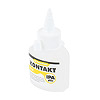
• isopropanol - isopropyl alcohol - used interchangeably for decolorization, instead of toxic methanol and ethanol
The above-mentioned applications of dyes are not exhaustive; examples of applications and typical experiments can be found in the attached information brochure and in specialist and popular literature.
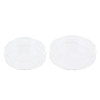
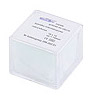
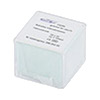
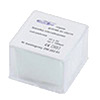
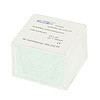
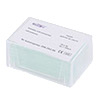
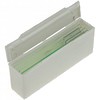
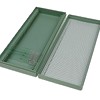
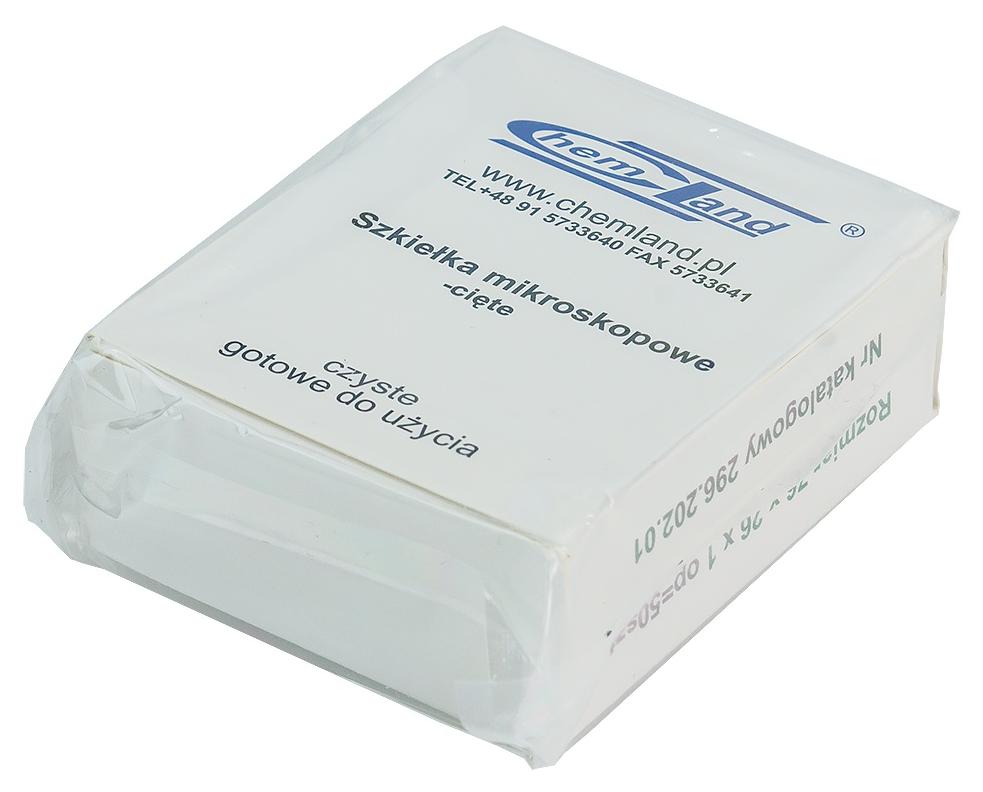
• microscope slides – clean, basic 50 pieces + 100 coverslips
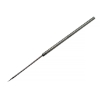
• dissecting needle - dissecting needle with a steel, knurled shaft
• scalpel no. 11 - disposable surgical scalpel with a plastic handle and a protective cover
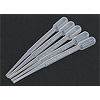
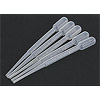
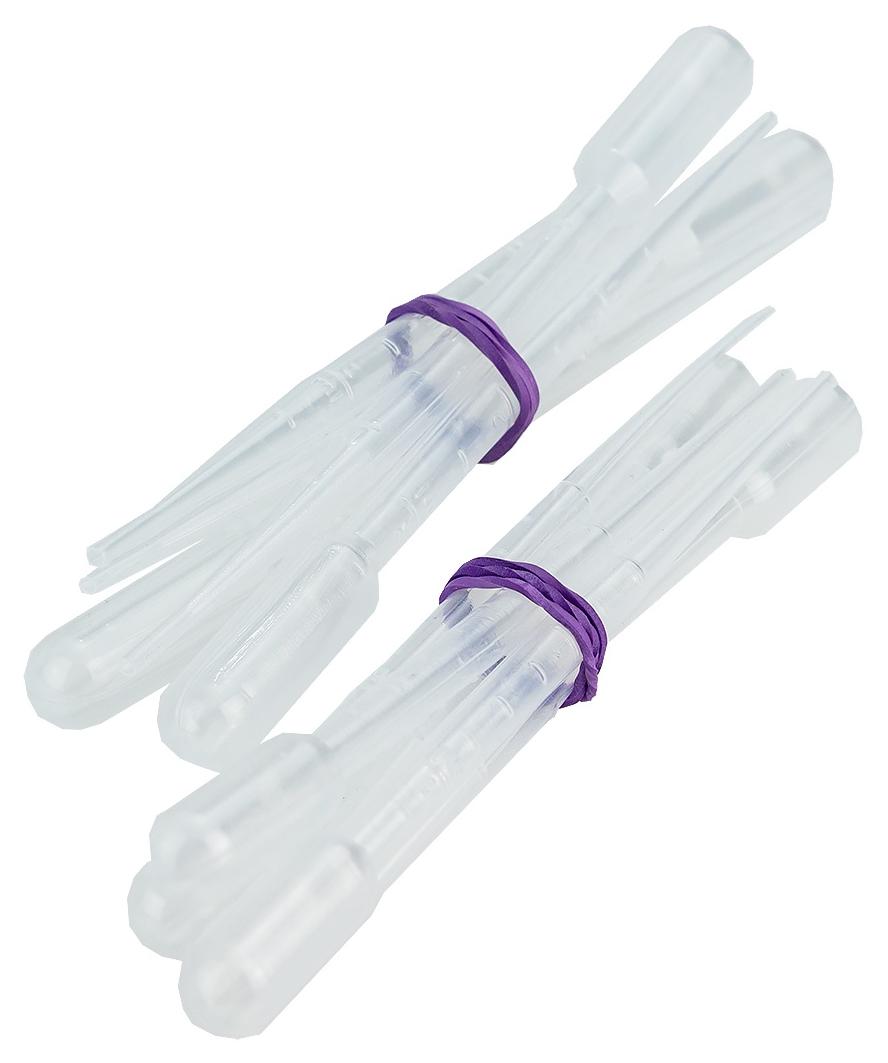
• Pasteur pipettes - ten pipettes made of polypropylene with capacities of 1 ml and 3 ml
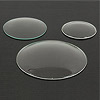
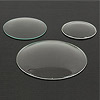
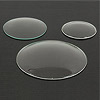
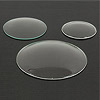
• watch glass
• glass bottles - two 10 ml brown glass bottles with a cap and a spatula attached to it
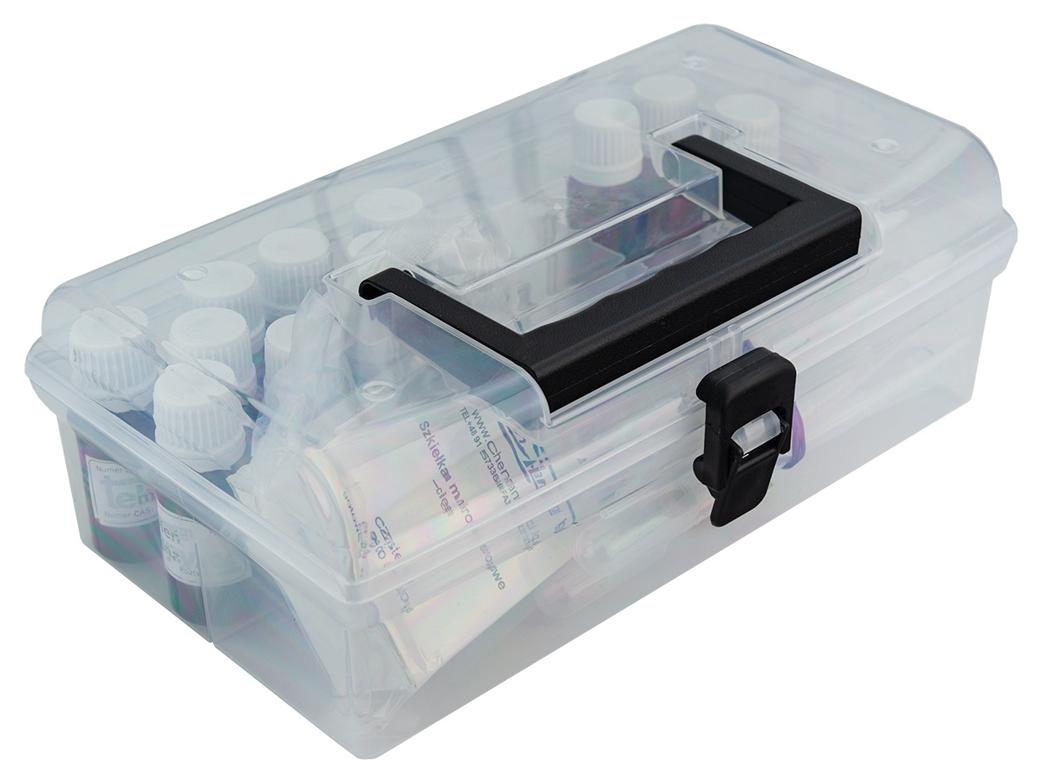
• suitcase - made of polypropylene with a clasp and handle



Below are examples of staining effects (click to see the full-size photo)

(bacteria + nigrosin)

(bacteria + nigrosin)

(shoes + neutral red)

(slipper + neutral red)

(shoes + neutral red)

(blood + Nile blue)

(blood + Nile blue)

(blood + methylene blue)

(blood + methylene blue)

(epithelial cells + Nile blue + eosin)

(epithelial cells + Nile blue + eosin)

(epithelial cells + Nile blue)