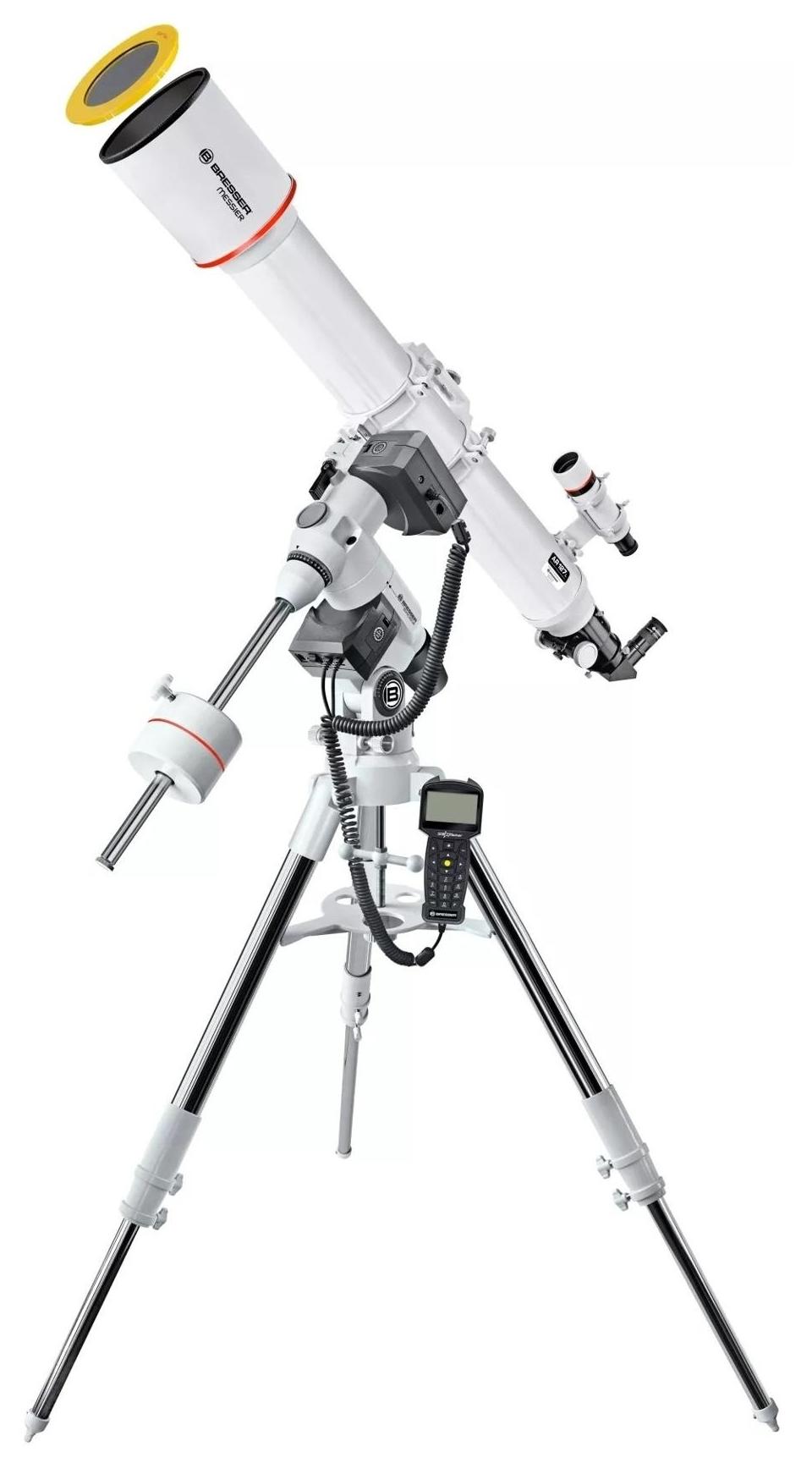
Messier AR-127L HEX on EXOS-2 GOTO is a combination of an excellent quality 127 mm f=1200 mm achromatic lens and a great German mount with GOTO search system.
A great kit for advanced planetary astrophotography, a favorite telescope of middle and high schools!
Messier AR-127L is a high-class achromatic refractor dedicated to advanced visual observations and planetary astrophotography. It is equipped with a 127 mm diameter objective lens and a 1200 mm focal length. It will show a lot of details of the surface of objects in the Solar System. Among the deep sky objects, it allows you to see several hundred nebulae from the Messier and NGC catalogs. The optics are fully coated with anti-reflective coatings (MC). Equipped with a 2.5" HEX eyepiece with reductions to 2 inches and 1.25 inches. MC layers on the objective significantly increase the contrast of obtained images, and the eyepiece extension allows the use of any eyepieces made in 2-inch and 1.25-inch standards. This telescope is an excellent choice for advanced sky observers.
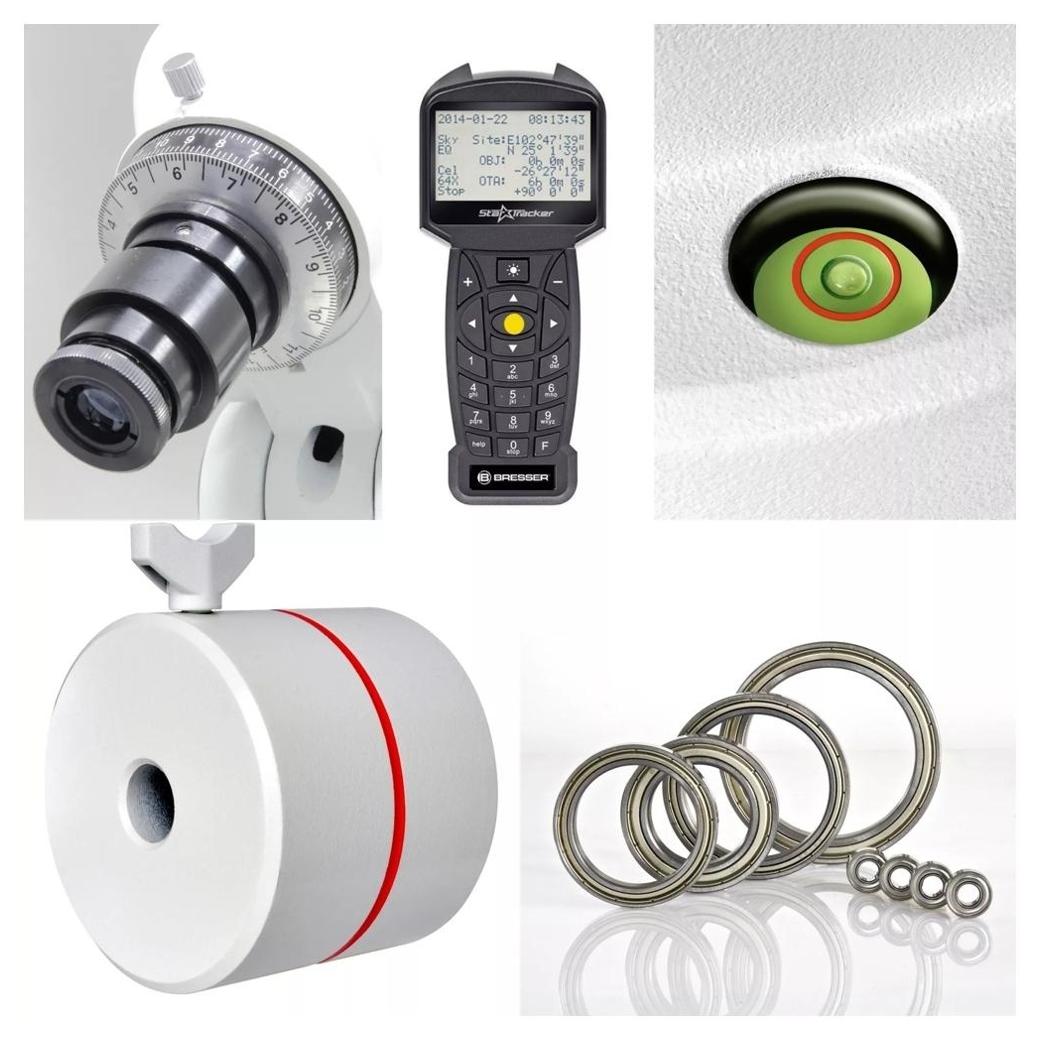
The Bresser EXOS-2 GOTO mount is a rigid tripod with an equatorial head equipped with an electronic GO-TO object search and positioning system. Independent movement in the right ascension (RA) and declination (Dec) axis is smooth and even (with a small PE periodic error) thanks to four precision steel bearings. Precision worm gears allow the telescope to rotate and precisely track objects. Nine speed ranges allow you to quickly set the telescope to the desired area of the sky.
The drive can be powered by 8 R20 batteries, via the car cigarette lighter socket or with an AC adapter.
The mount is designed for demanding observers. The Meade #497 AutoStar system with GoTo system and a database of 30,000 objects allows easy searching and tracking of planets, stars, star clusters, galaxies and satellites. The AutoStar controller has attractive tour routes in its database. Just enter the date, time and location. The AutoStar controller can be updated through downloadable resources from the manufacturer's website (www.Meade.com). For example, you can download information about new comets and enter it into the mount control database.
Solid construction, excellent assembly finish combined with a stable tripod enable visual observation and photography at the highest level.
This mount is an upgraded version of the Meade LXD75 mount - it works with Meade LXD75 mount cables and controllers.
| • Optical system: | 4-lens achromatic refractor (Petzwal) |
| • Mirror diameter: | 127mm |
| • Lens focal length: | 1200mm |
| • Light Force: | 1/9.4 |
| • Resolving power: | 1.1'' |
| • Theoretical star range: | 12.5 magnitude |
| • Maximum usable magnification: | 260x |
| • Optical tube weight: | 8kg |
• type of mounting: German parallax class EQ-5
• drive: DC motors with optical encoders in both axes
• GOTO system: yes
• remote control: yes
• illuminated polar scope: yes
• power supply: 12 V 8 D batteries (R20) or optional AC adapter
• maximum load capacity: 13 kg
• Periodic Error Correction (PEC)
• instructions in Polish: yes
• shelf for accessories: yes
• head weight: 6.3 kg
• counterweight: 2x 4.5 kg
• weight of the tripod: 2.9 kg
• tripod height: 68 - 108 cm
• field tripod: steel
Moon
planets
star clusters
nebulae
PC control
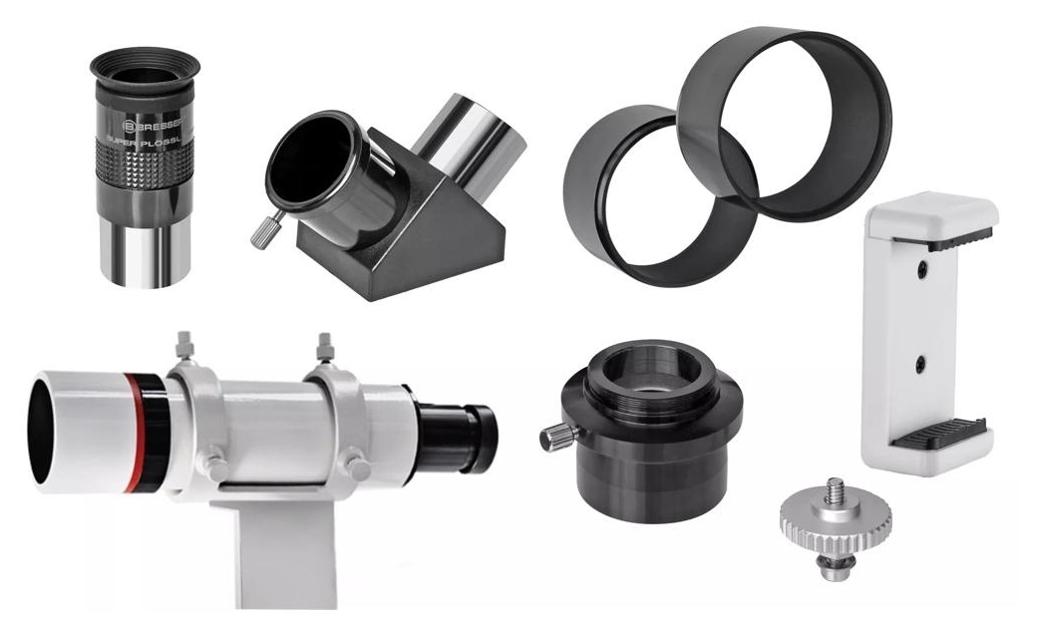
The set includes the following accessories:
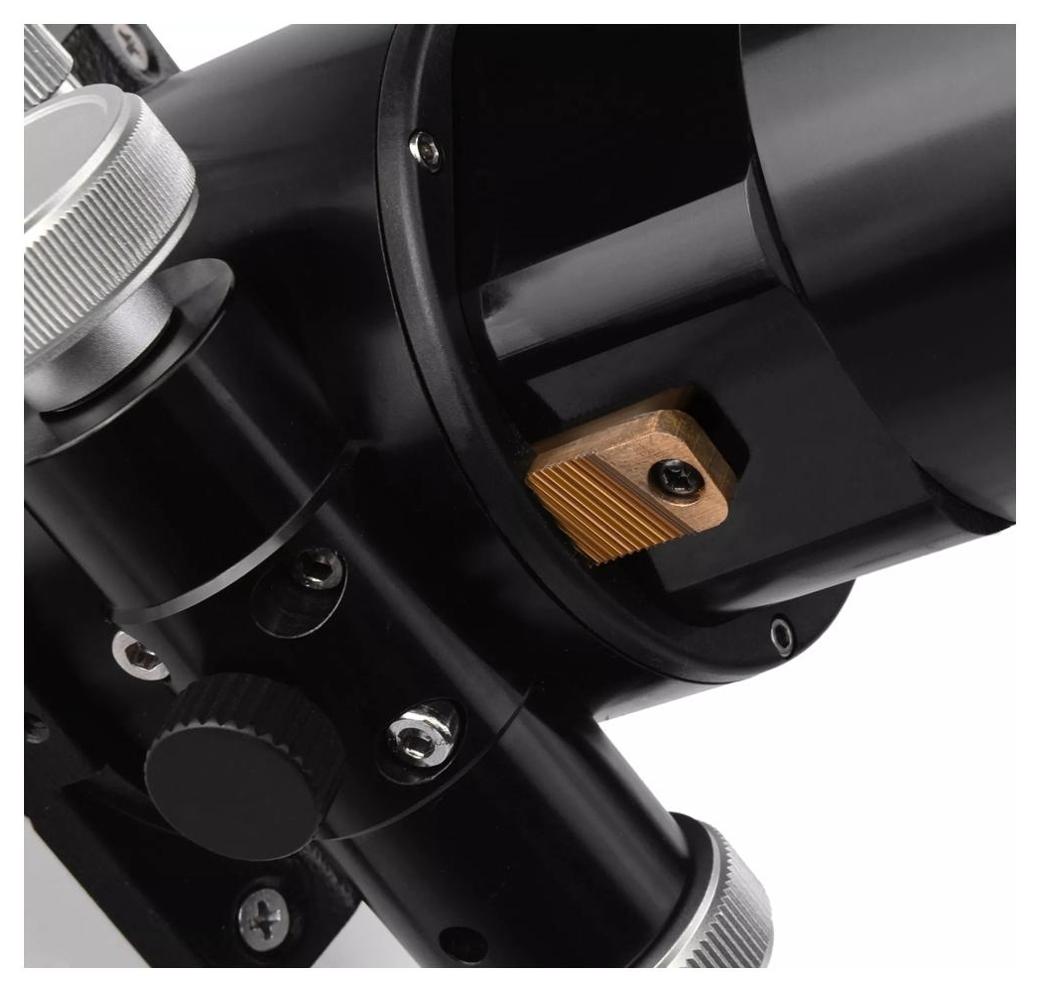
• HEX focuser supporting 2'' and 1.25'' eyepieces
• PL eyepiece 26 mm 1.25"
• Optical scope
• EXOS-2 GOTO equatorial mount
• Steel field tripod
• Accessories shelf
10 years (manufacturer's warranty)
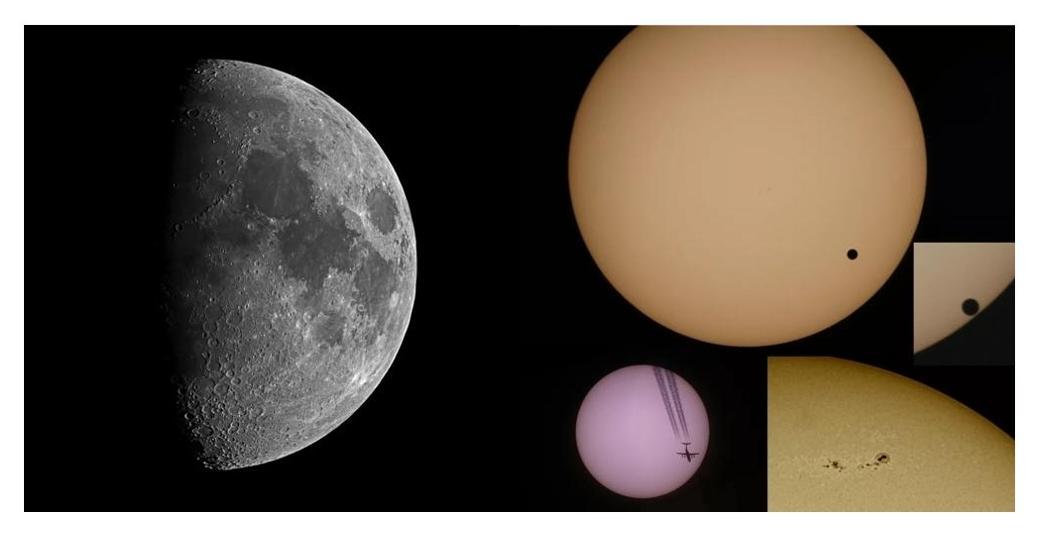
This device focuses a large amount of light. Looking directly at the Sun through this device can cause partial or complete loss of vision. For observing the Sun, we recommend the safest method of eyepiece projection, i.e. projecting the image of our daytime star's disk onto a sheet of paper.
READ : A QUICK GUIDE TO CLEANING OPTICS
 [PDF]
[PDF]
READ : HOW TO CONNECT A COMPACT CAMERA TO A TELESCOPE
[PDF]
READ : HOW TO CONNECT A DSLR TO A TELESCOPE
[PDF]