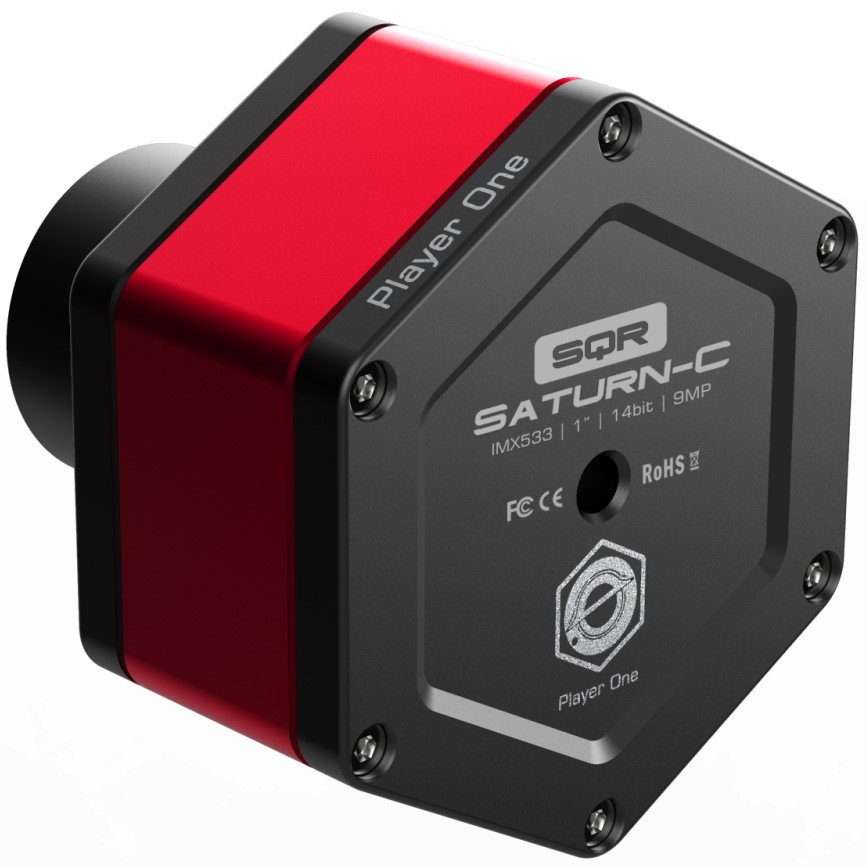
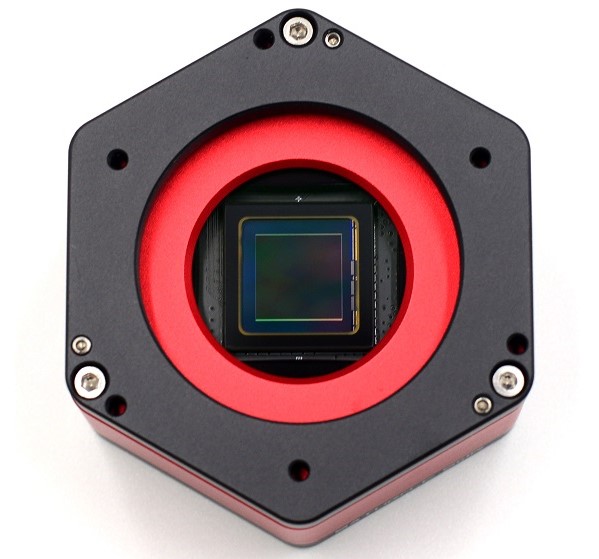
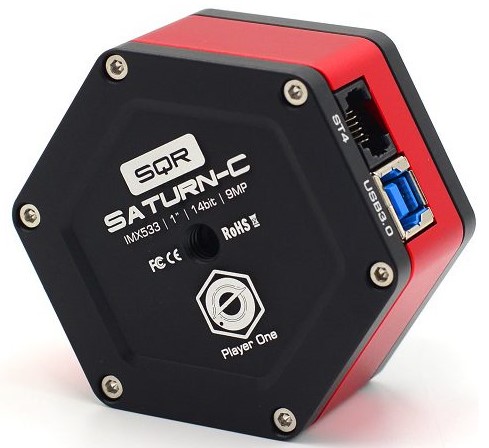
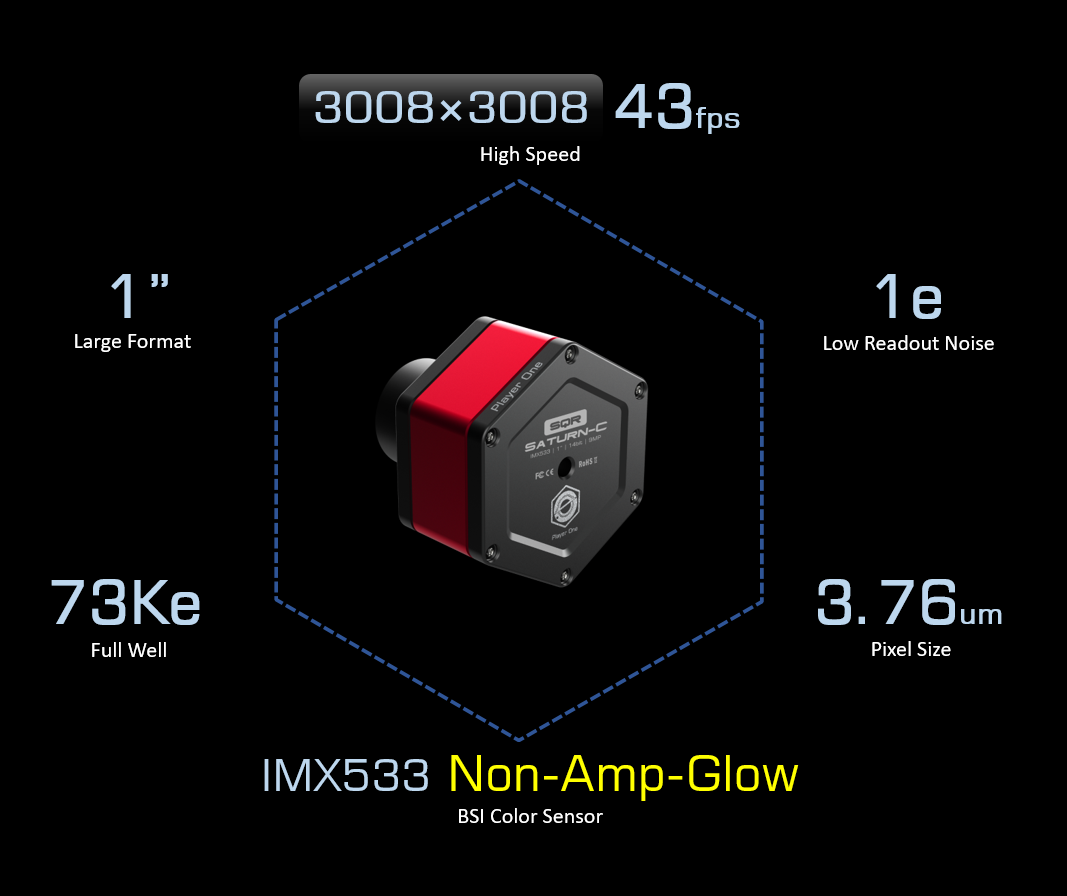
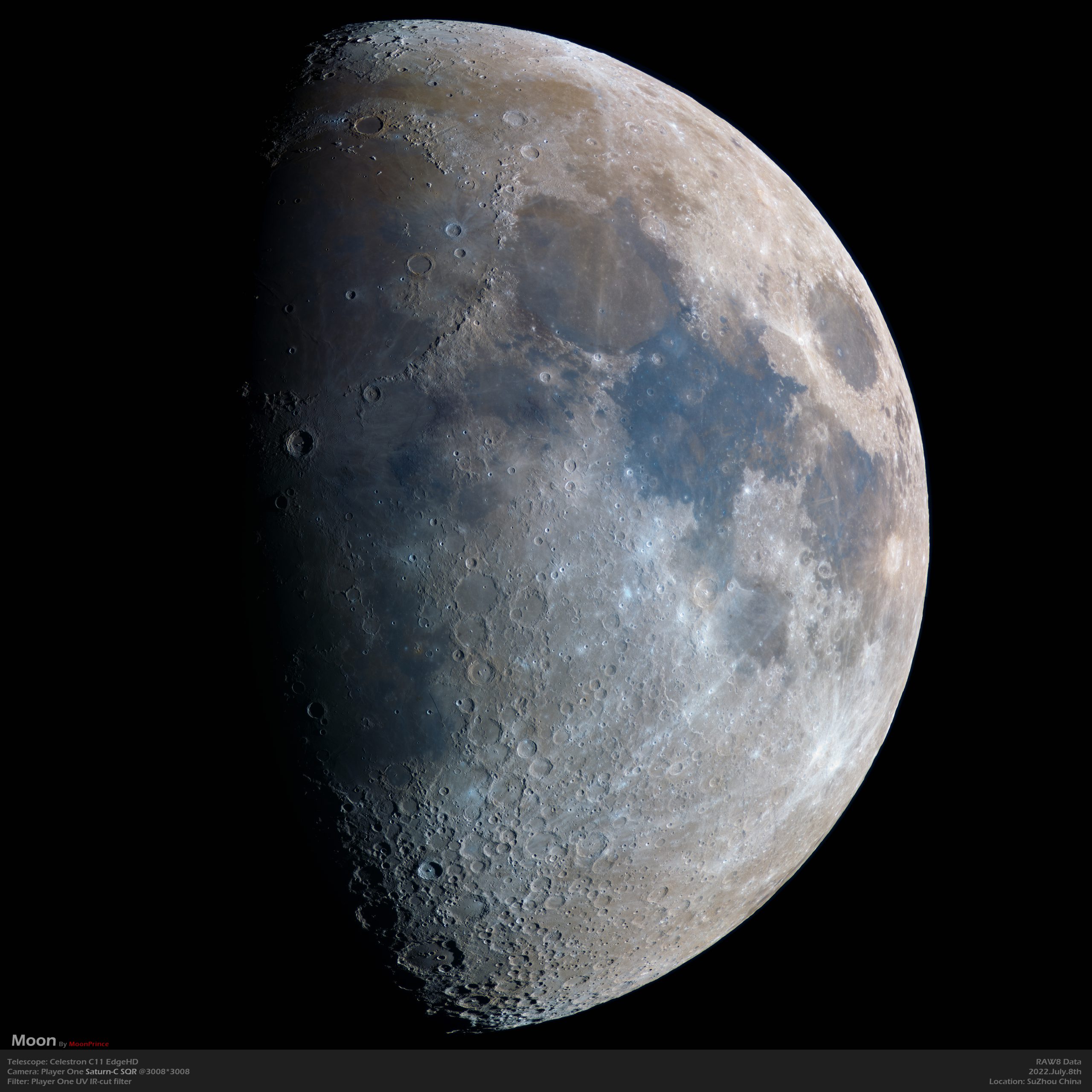
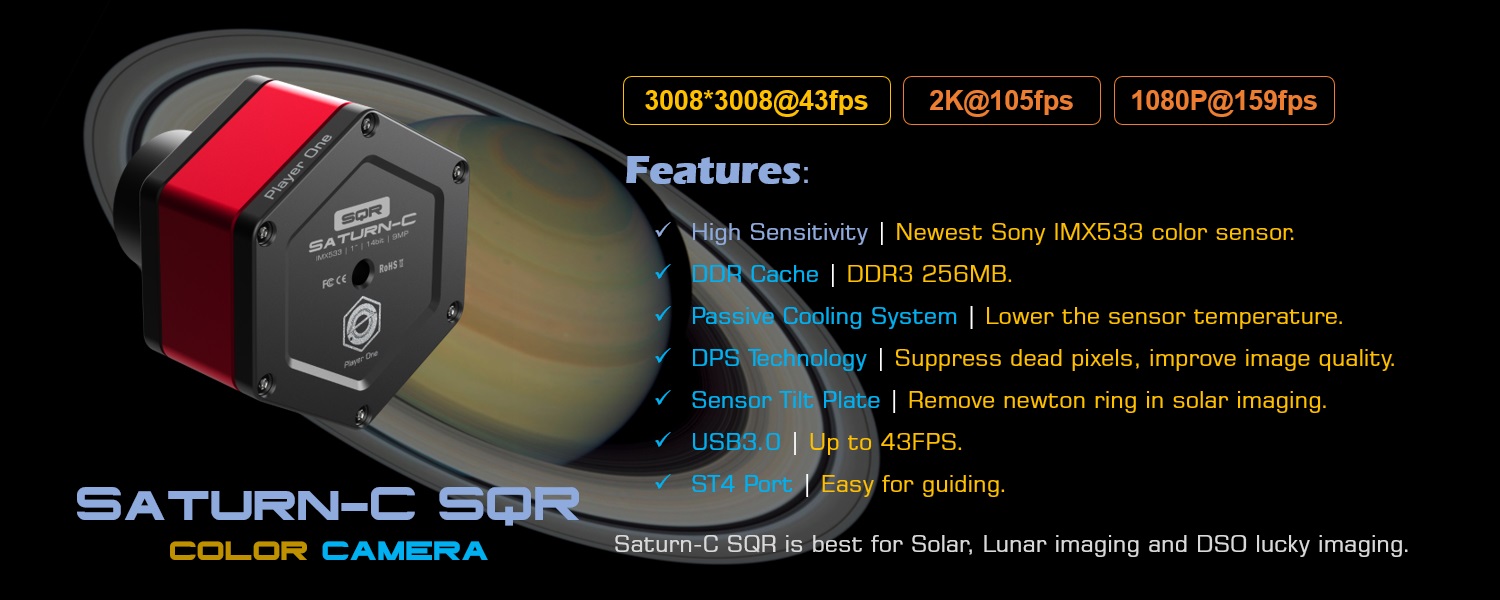
Player One SATURN-C SQR Color (SKU: POA-SATURN-C ) is a one-shot color planetary camera based on a square Sony IMX533 COLOR sensor (1″ format, 3008 × 3008 px). 3.76 µm pixel, no amp-glow , very low readout noise and a full 45 ke-well make Saturn-C SQR great for fast color photography of the Moon, Sun (with filtering) and planets of the Solar System in the "lucky imaging" technique. A 256 MB DDR-III buffer and USB-C 3.0 interface ensure smooth recording up to 43 fps in full RAW10 resolution.
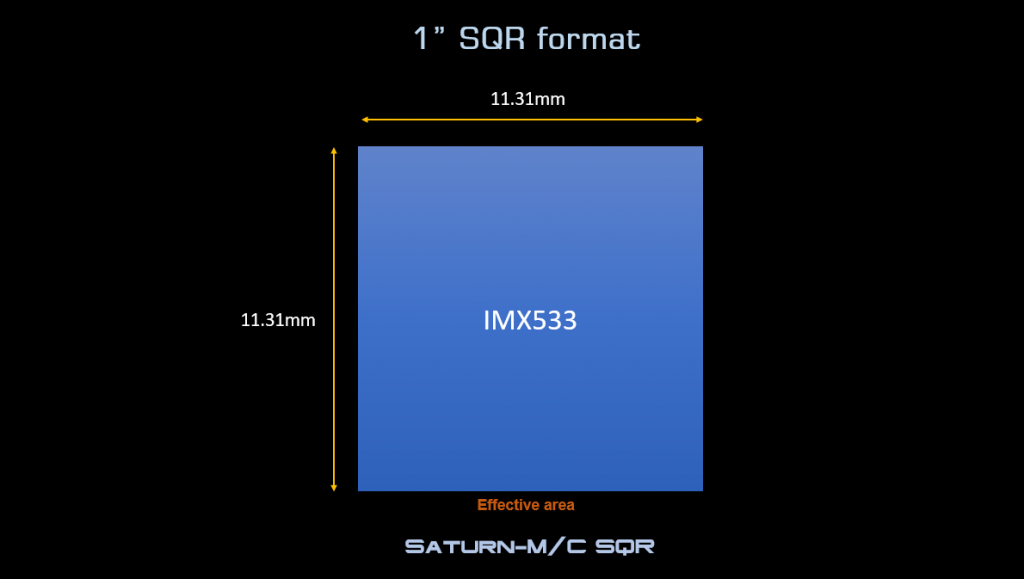
• Sony IMX533 COLOR sensor – 3008 × 3008 px (9 MP), pixel 3.76 µm
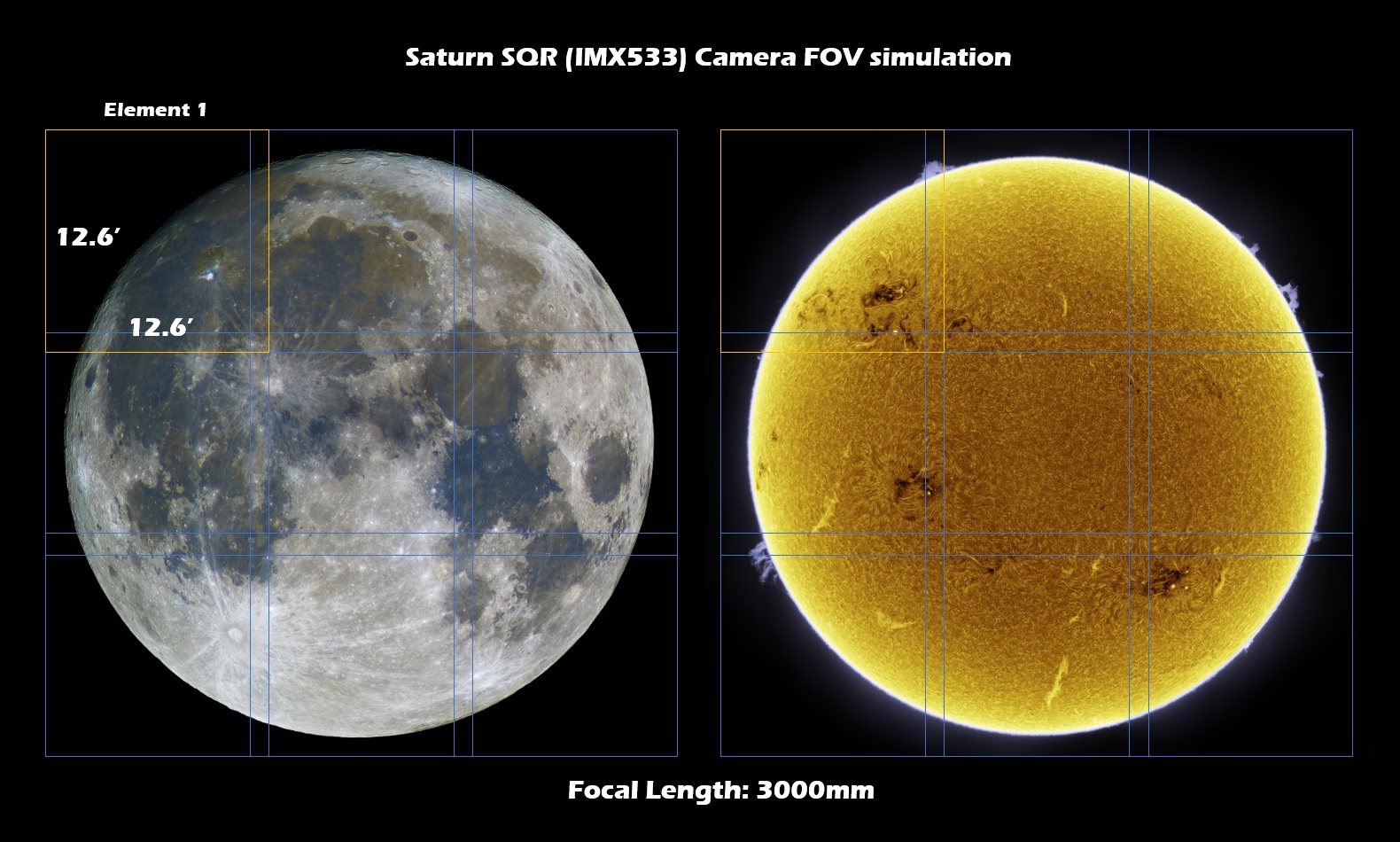
• 1″ square format – convenient framing of the full disk of the Sun/Moon
• STARVIS 2 technology – peak QE ~80%, no amp-glow at all
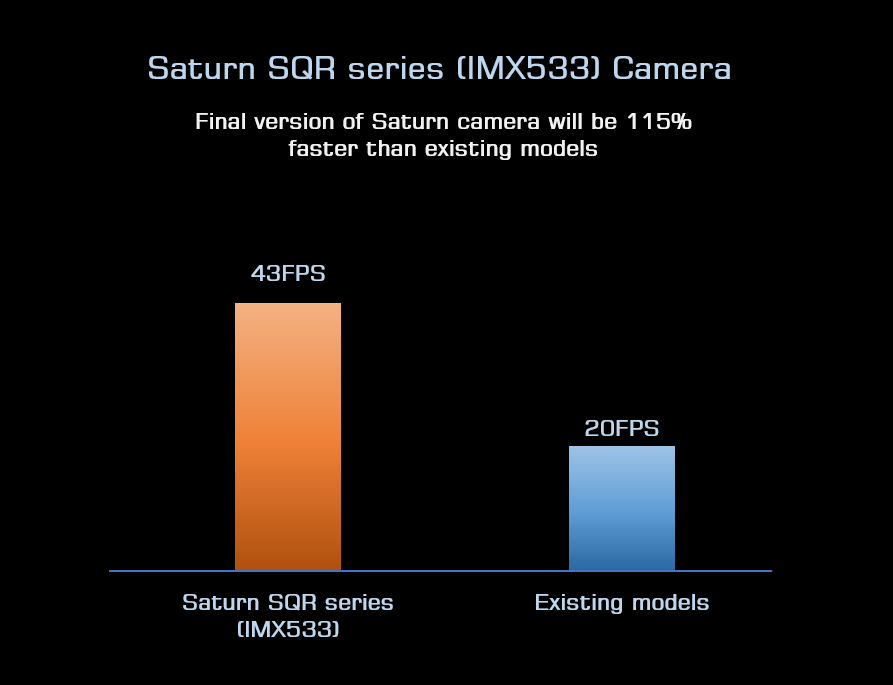
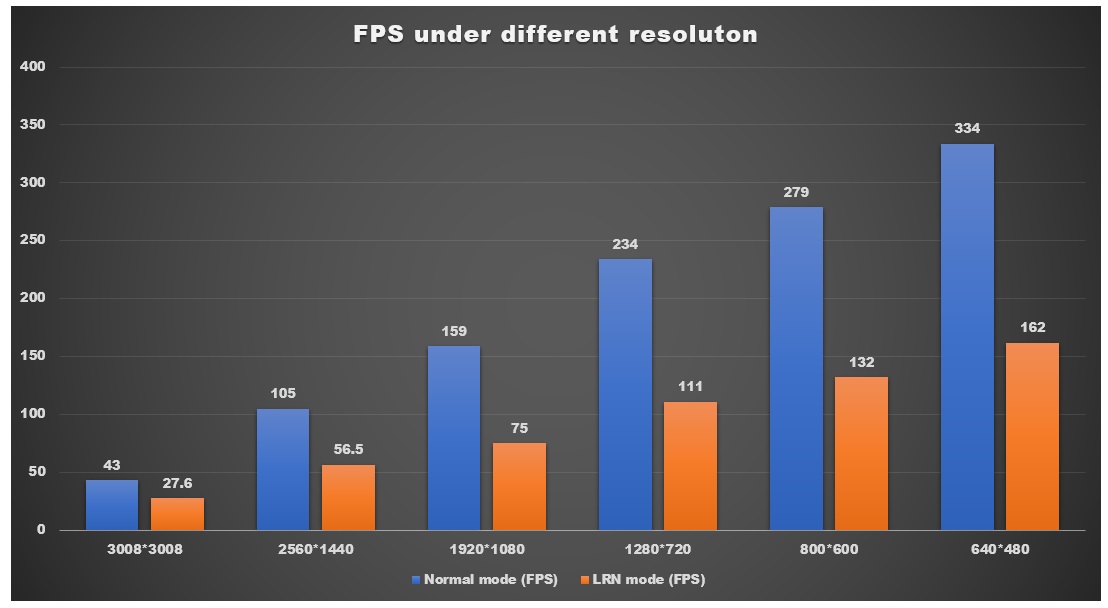
• speed up to 43 fps in RAW10 (full frame), up to 150 fps at ROI 1024 × 768
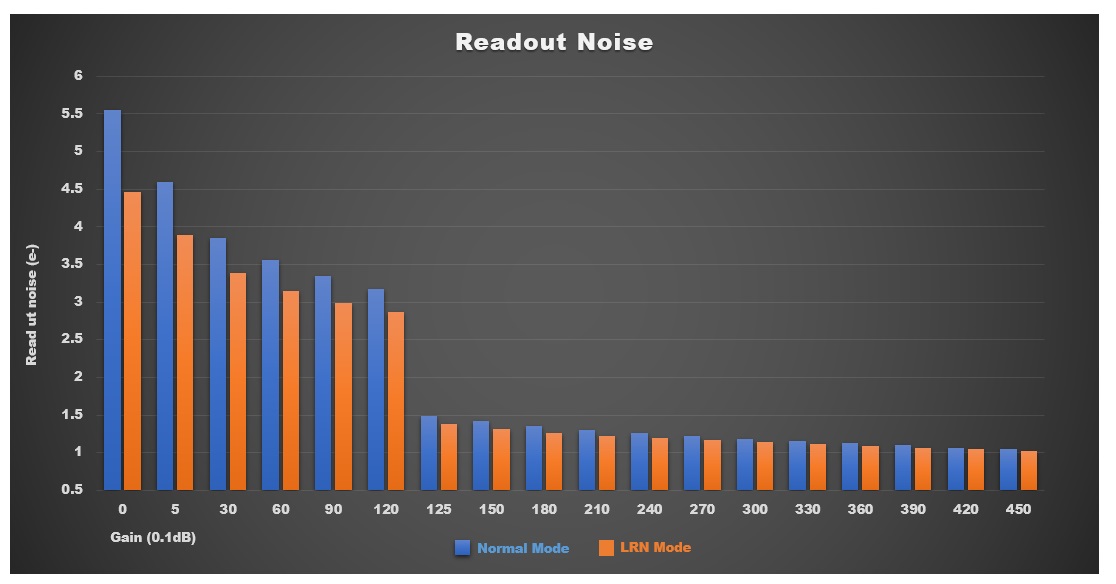
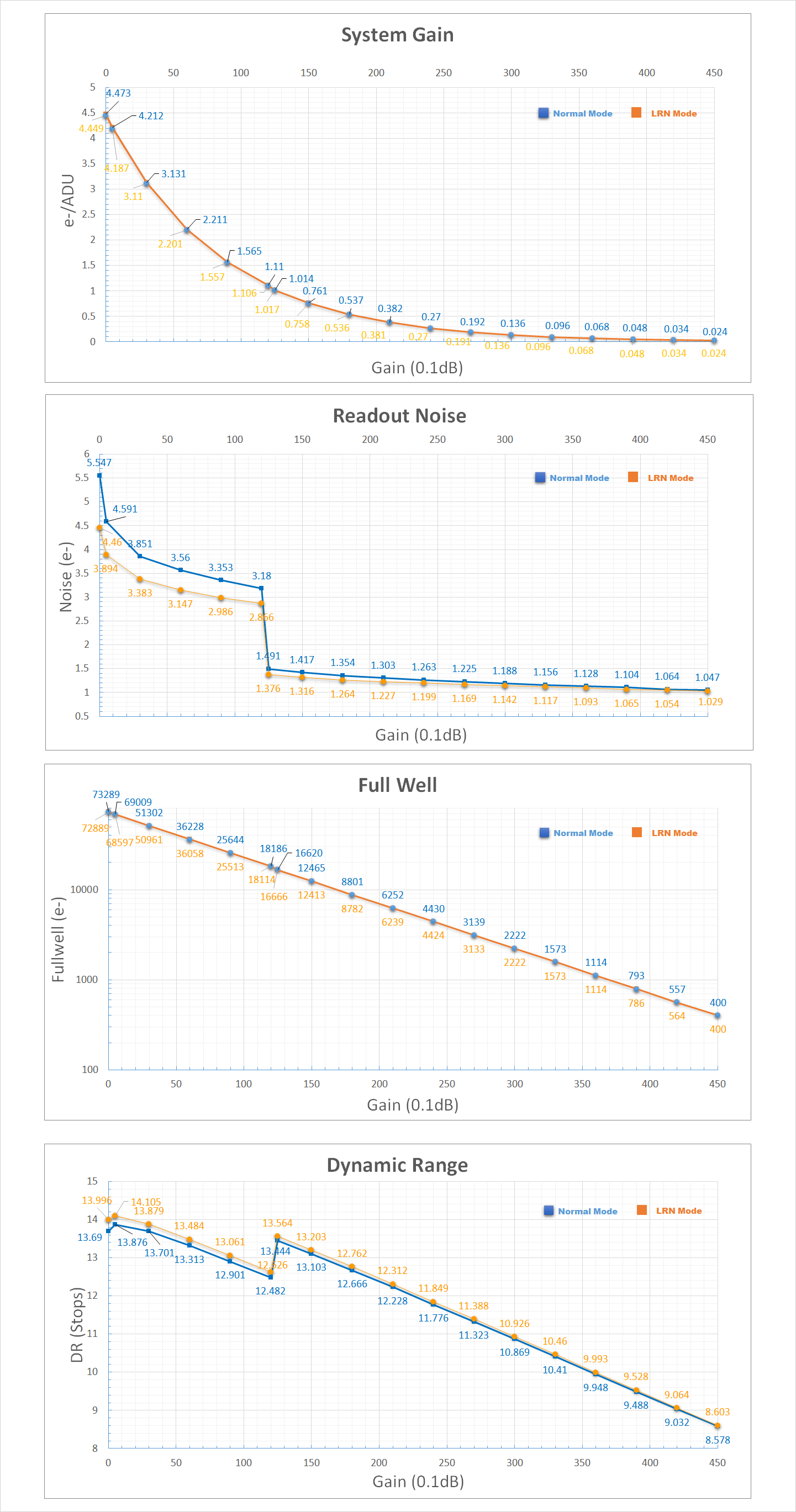
• full well ≈ 45 ke-, read noise < 1 e- (HCG) – high dynamic range
• 256 MB DDR-III buffer – no dropped frames even in long bursts
• Super AR Plus window – 350–1000 nm transmission, minimal reflections
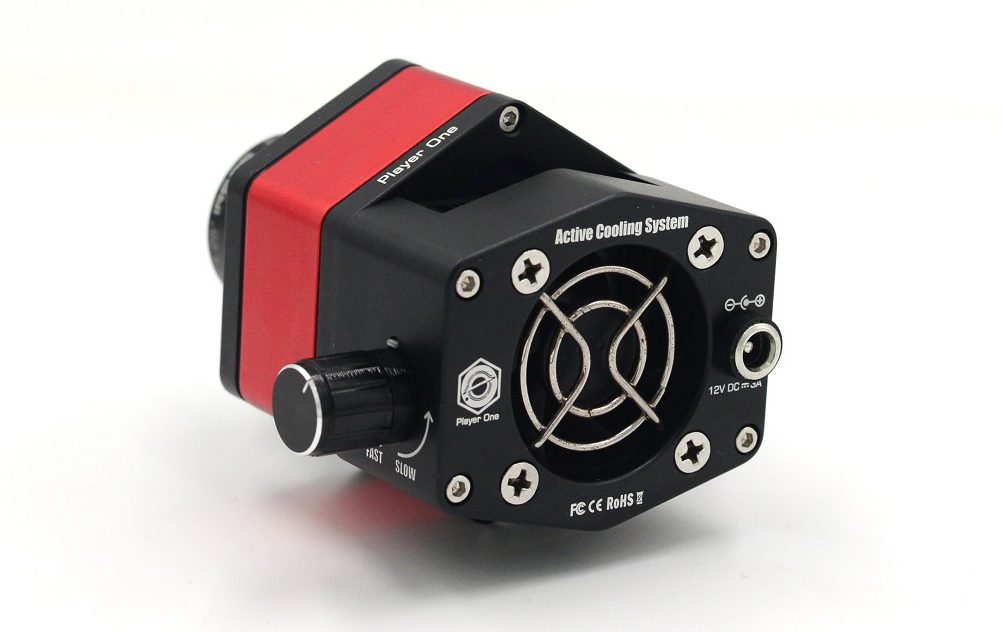
• PCS system (radiator) + optional ACS active module
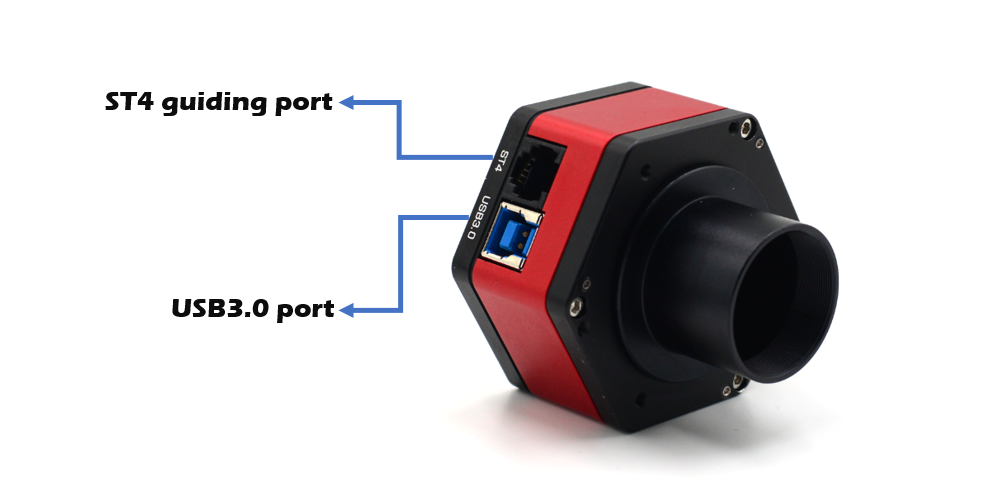
• USB-C 3.0 interface (400 MiB/s) + ST-4 port for autoguider
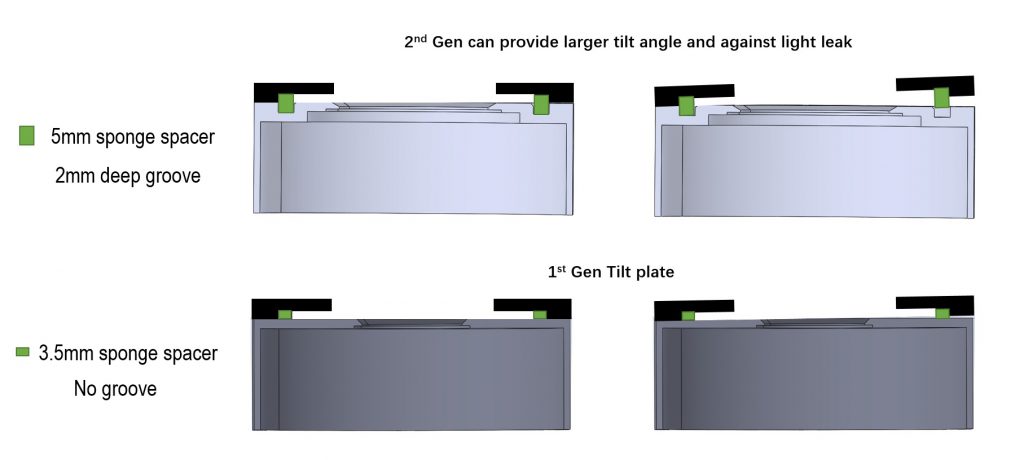
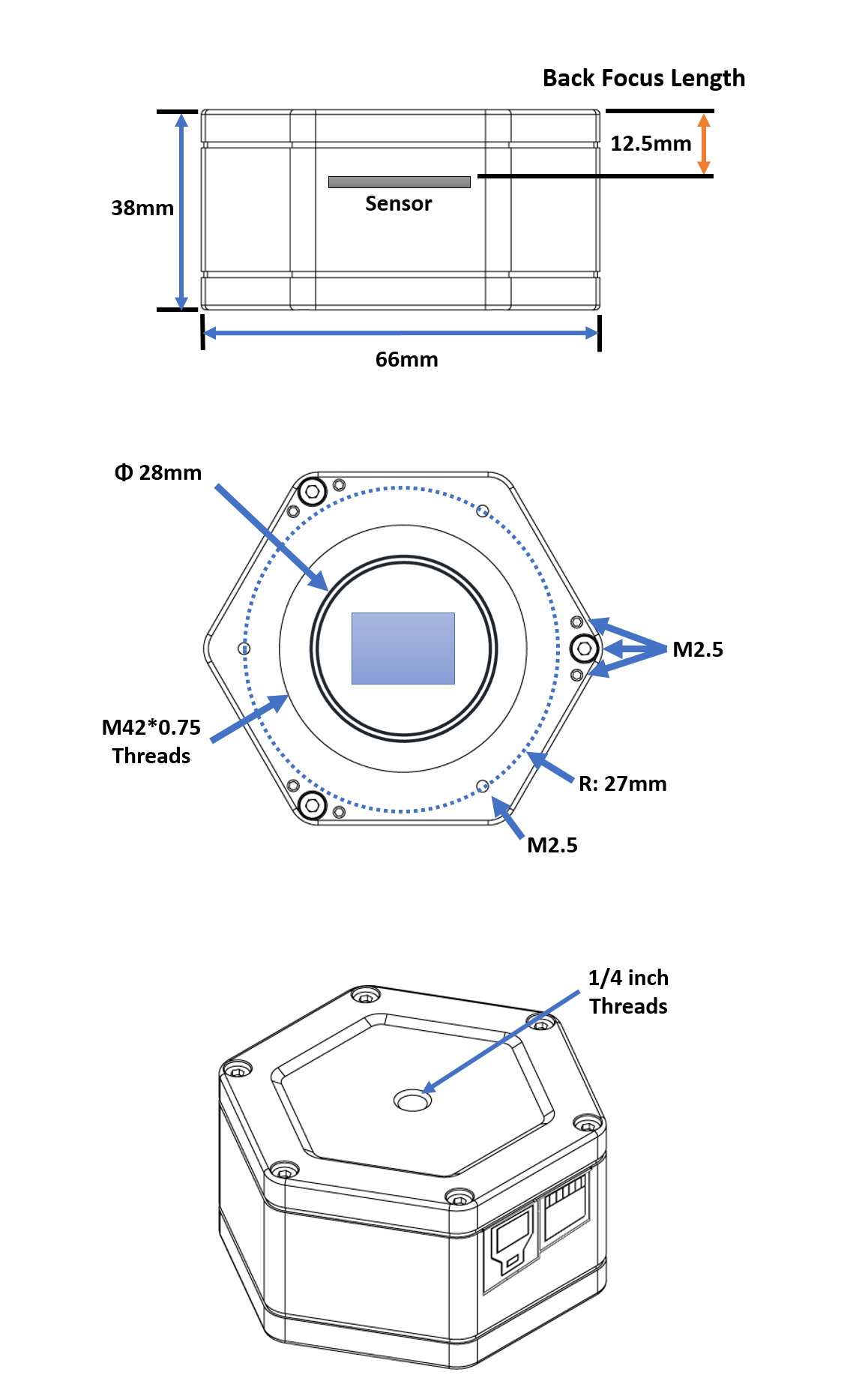
• threads: internal M42 × 0.75 + nose 1.25″, back-focus 12.5 mm – full compatibility with the SFT tilter and FD MINI drawer
• matrix: Sony IMX533 C, CMOS, rolling-shutter
• format / diagonal: 1″ (16.0 mm), area 11.3 × 11.3 mm
• resolution: 3008 × 3008 px (9.05 MP)
• pixel size: 3.76 µm
• ADC: 12 bit / 10 bit (RAW)
• full well: ~45 ke- (gain 0)
• reading noise: 0.8 e- (HCG) – 2.8 e- (gain 0)
• max. FPS: 43 fps @ RAW10, 150 fps @ ROI 1024 × 768
• Buffer: 256MB DDR-III
• exposures: 32 µs – 2000 s
• back-focus (with nose): 12.5 mm
• dimensions / weight: Ø 66 mm × 32 mm / 180 g
• Cooling: PCS passive; ACS compatible module
• Power supply: 5V DC from USB-C (≤ 0.45A)
• compatibility: Windows 7/10/11 (ASCOM), macOS, Linux (INDI)
Saturn-C SQR can capture high frame rate color movies and images of the ISS, aurora, and satellite flybys. High NIR sensitivity allows it to be combined with 685/850 nm IR-pass filters, improving sharpness in difficult seeing . The square sensor simplifies mosaicing of large areas of the Moon and Sun.