|
ZAMÓW DO PUNKTU ODBIORU:
|
|
|
59 zł
|
|
cena netto: 47,97 zł
|
| |
") Sklep internetowy: Sklep internetowy:
● dostępne od ręki
Sklep w Warszawie: 10+ szt.
● dostępne od ręki
Sklep w Chorzowie: 2 szt.
● dostępne od ręki
|
|
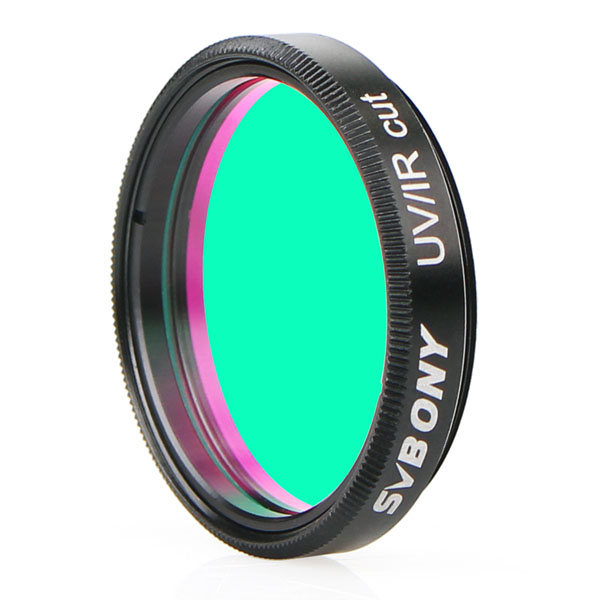
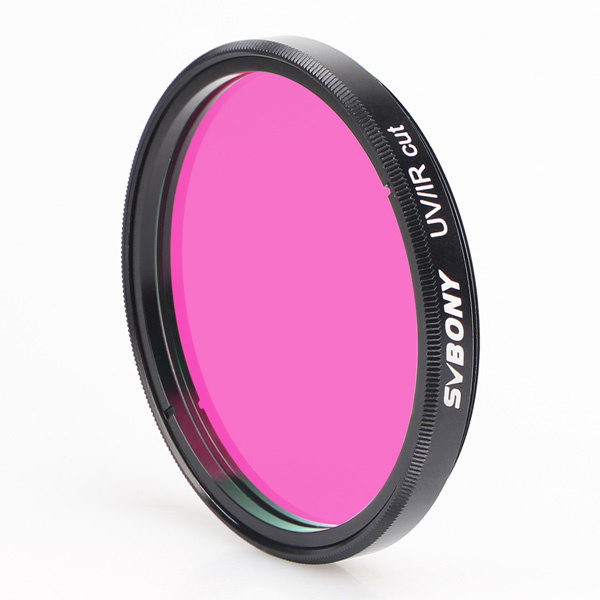
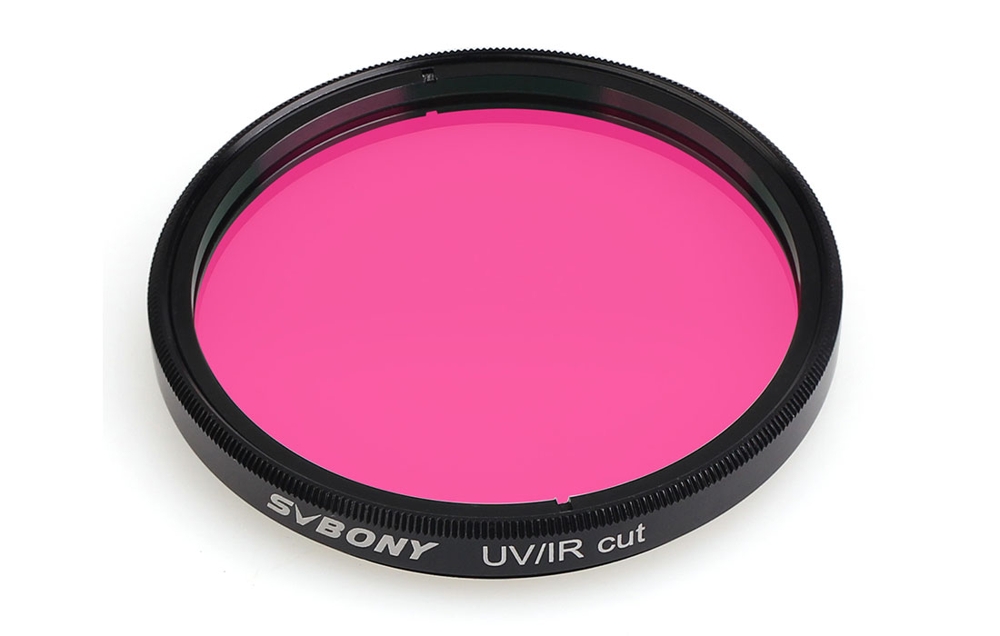
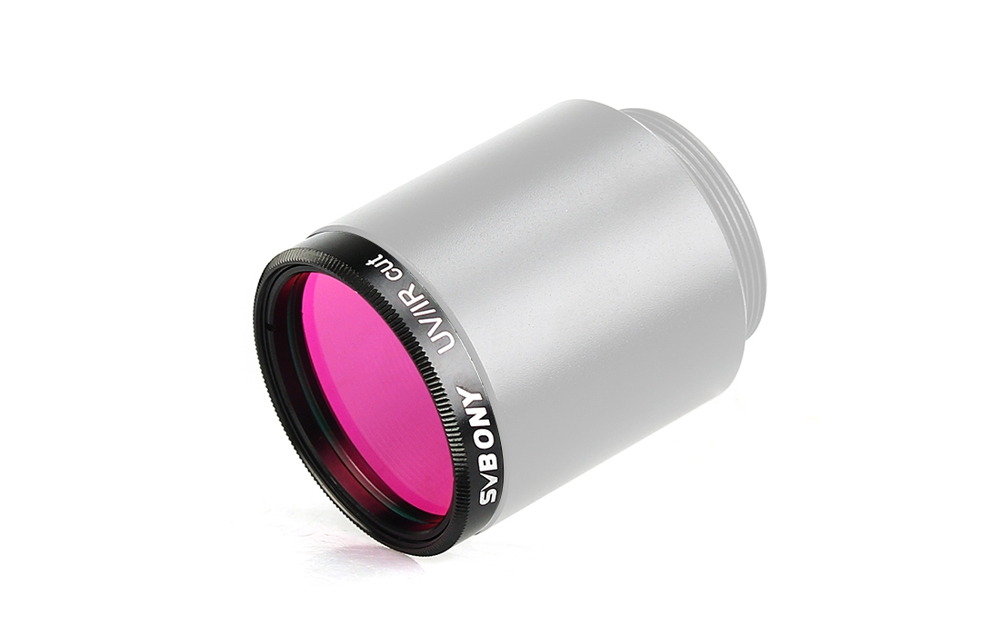
Svbony UV / IR cut 1,25" to profesjonalny filtr astrofotograficzny blokujący promieniowanie z zakresu ultrafioletu oraz podczerwieni przeznaczony do zastosowania z kolorowymi kamerami CCD, CMOS i lustrzankami cyfrowymi.
Zastosowanie tego filtra pozwala na uzyskanie znaczącej poprawy kontrastu i ostrości obiektów fotografowanych kolorowymi kamerami w zakresie promieniowania widzialnego. W przeciwieństwie do ludzkiego oka, urządzenia tego typu czułe są na wpływ podczerwieni, której składowa powoduje zauważalne pogorszenie jakości obrazu (Więcej informacji na ten temat zawiera notka ekspercka u dołu strony).
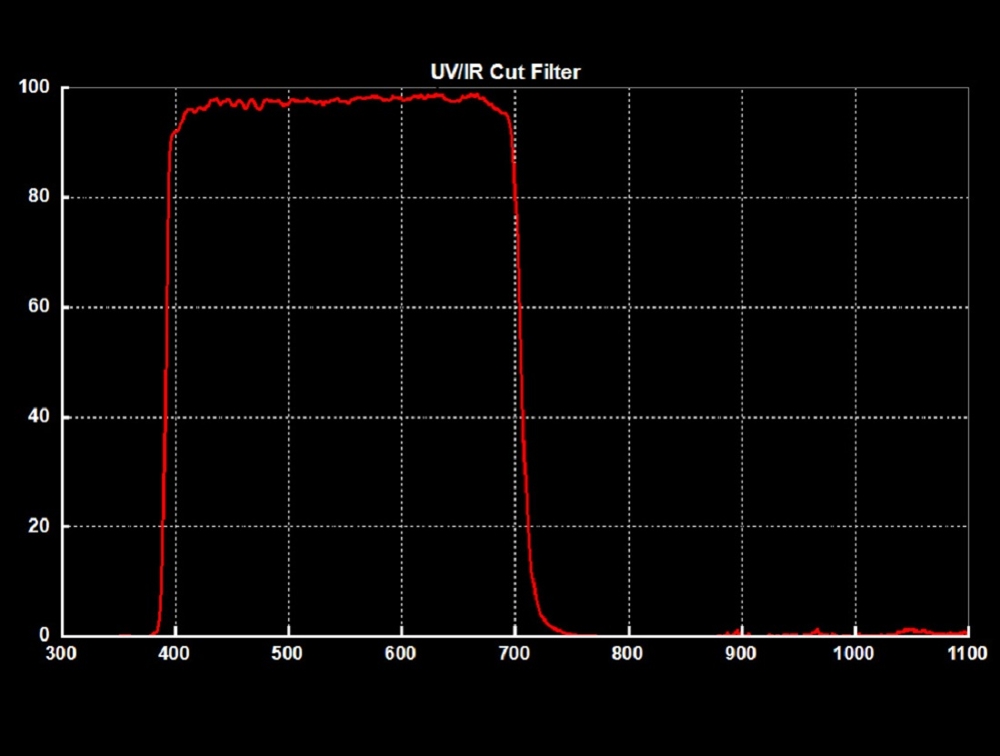
Ponieważ zakres przepuszczalności filtra Svbony UV / IR cut 1,25" obejmuje pasmo Hα (656,3 nm), może być on również wykorzystany w fotografii słonecznej, jako ochrona znacznie droższego filtra Hα przed termicznym uszkodzeniem.
Uwaga! Obserwacje wizualne Słońca należy prowadzić zawsze poprzez dedykowany filtr słoneczny lub klin Herschela.
• filtr wykonany na wysokiej jakości substracie szklanym
• mozliwość wykorzystania jako ochrona dla innych filtrów
• kompatybilny z kolorowymi kamerami wyposażonymi w matryce CMOS oraz CCD
• typ filtra: UV / IR cut
• średnica filtra: 1,25"
• grubość filtra: 1,85 mm
• typ substratu: szkło optyczne
• pasma blokowane: ultrafiolet, podczerwień
• okno przepuszczalności: 400 - 700 nm
• kształt filtra: okrągły
• gwint filtra: M28,5x0,6
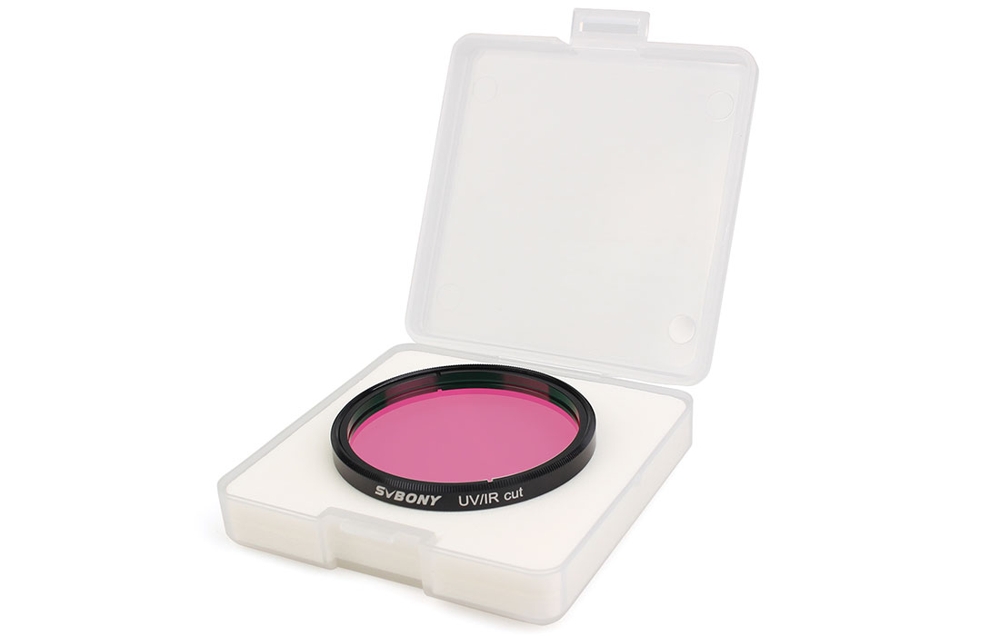
• filtr Svbony UV / IR cut 1,25"
12 miesięcy
Filtr blokujący podczerwień i nadfiolet (IR/UV) uważany jest powszechnie za obowiązkowy element wyposażenia każdego miłośnika astrofotografii pracującego z refraktorem, a także z teleskopami zwierciadlanymi, wyposażonymi w dedykowane soczewki korekcyjne np. reduktory komy. W wielu postach na rozmaitych forach astronomicznych sugeruje się konieczność wykorzystania takiego filtra, w przypadku braku filtra wąsko lub wielopasmowego.
Zastosowanie tego rodzaju filtra zapobiega występowaniu zjawiska określanego jako "star bloating". Jest ono spowodowane wysokim prawdopodobieństwem wystąpienia aberracji chromatycznych dla długości fali leżących blisko dolnej i górnej granicy zakresu światła widzialnego (bliska podczerwień oraz UV-A). Efekt działania takiego filtra widoczny jest na załączonej fotografii wykonanej przy użyciu apochromatycznego refraktora (autor: Carl Björk, grupa ZWO ASI, Facebook).

Oprócz poprawy jakości uzyskiwanego obrazu, filtr IR/UV przykrywa sensor kamery lub matrycę wraz z lustrem w przypadku lustrzanek cyfrowych. Dzięki temu te delikatne elementy nie są eksponowane na zabrudzenia, przez co konserwacja i czyszczenie kamery lub lustrzanki stają się łatwe i szybkie. Szczególną uwagę na ten aspekt zastosowania filtra IR/UV powinni zwrócić użytkownicy teleskopów zwierciadlanych, gdzie element światłoczuły jest bezpośrednio wystawiony na działanie czynników zewnętrznych.
Czystego nieba i udanych obserwacji!
• EAN: 00714559939765
|









.png)