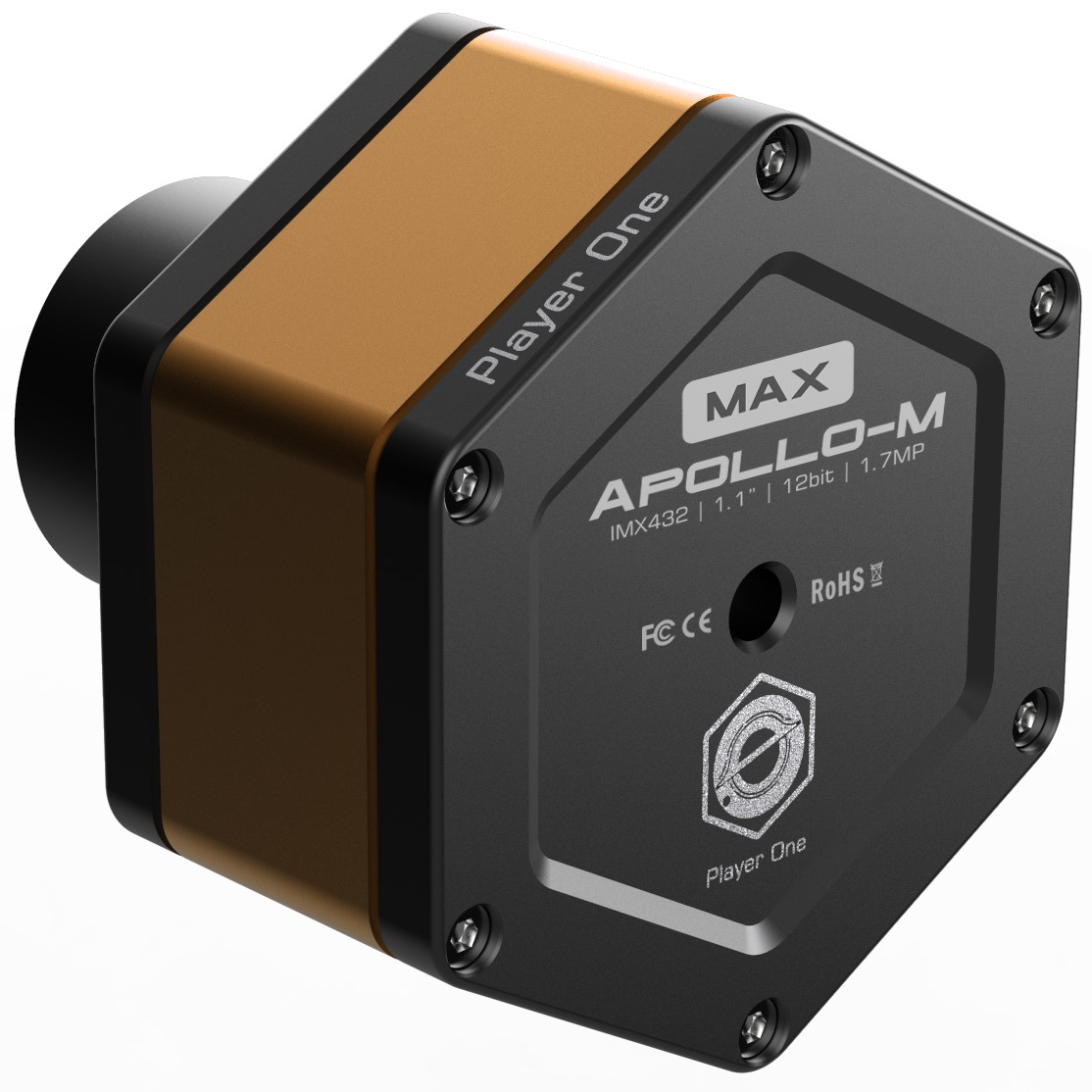
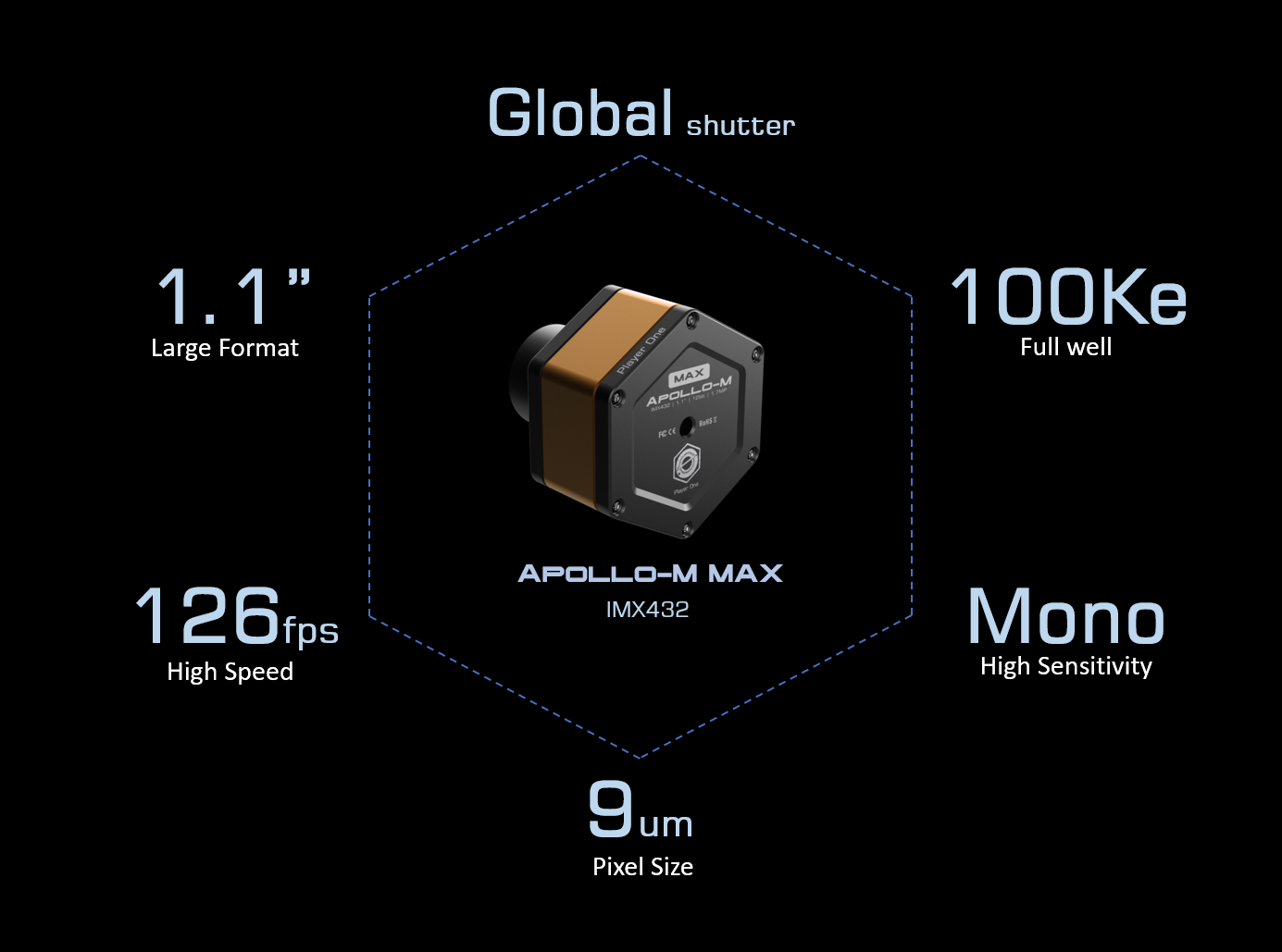
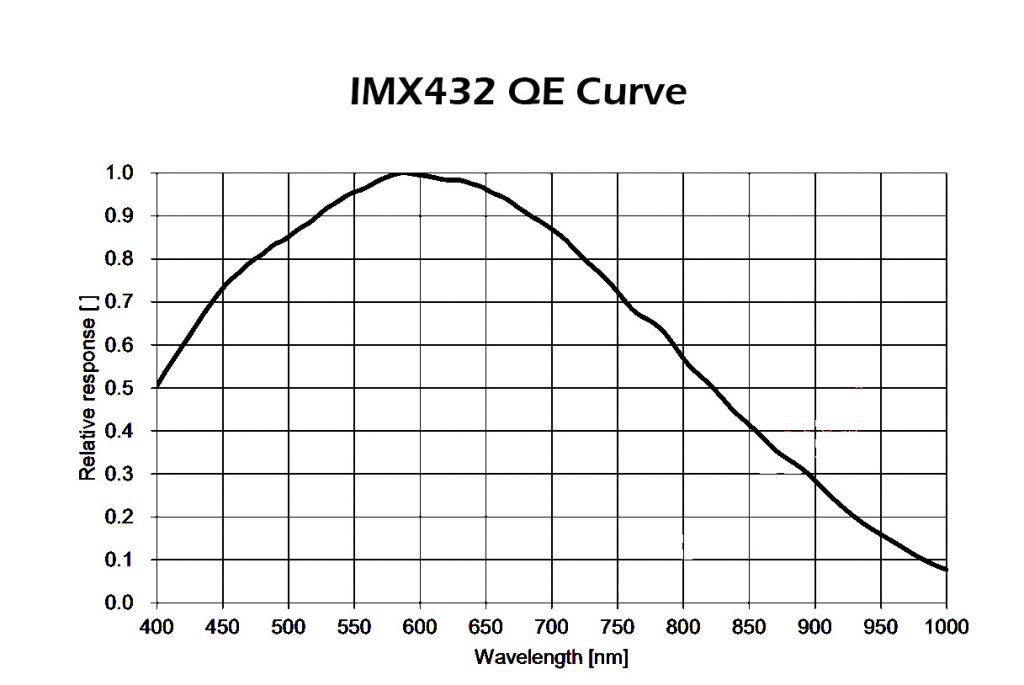
Player One APOLLO-M MAX (SKU: POA-APOLLO-M-MAX) to szybka kamera mono z globalnym migawką, ceniona przez miłośników obrazowania Słońca, Księżyca i planet. Wykorzystuje sensor Sony IMX432 mono (format 1,1″, 1608 × 1104 px) o dużym pikselu 9 µm, co przekłada się na wysoką czułość (QE ≈ 85 %) i pełną studnię ≈ 77 ke-. Dzięki globalnemu shutterowi obraz jest wolny od zniekształceń „jelly-effect”, a interfejs USB 3.0 wraz z buforem 128 MB DDR-III umożliwia zapis do 120 kl./s w pełnej klatce RAW10 bez gubionych klatek.
• matryca Sony IMX432 mono – 1608 × 1104 px (1,78 MP), piksel 9 µm, global shutter
• wysoka czułość (QE > 85 %) i brak artefaktów rolling – idealna do skanowania tarczy Słońca
• prędkość do 120 fps (RAW10), 300 fps przy ROI 640 × 480
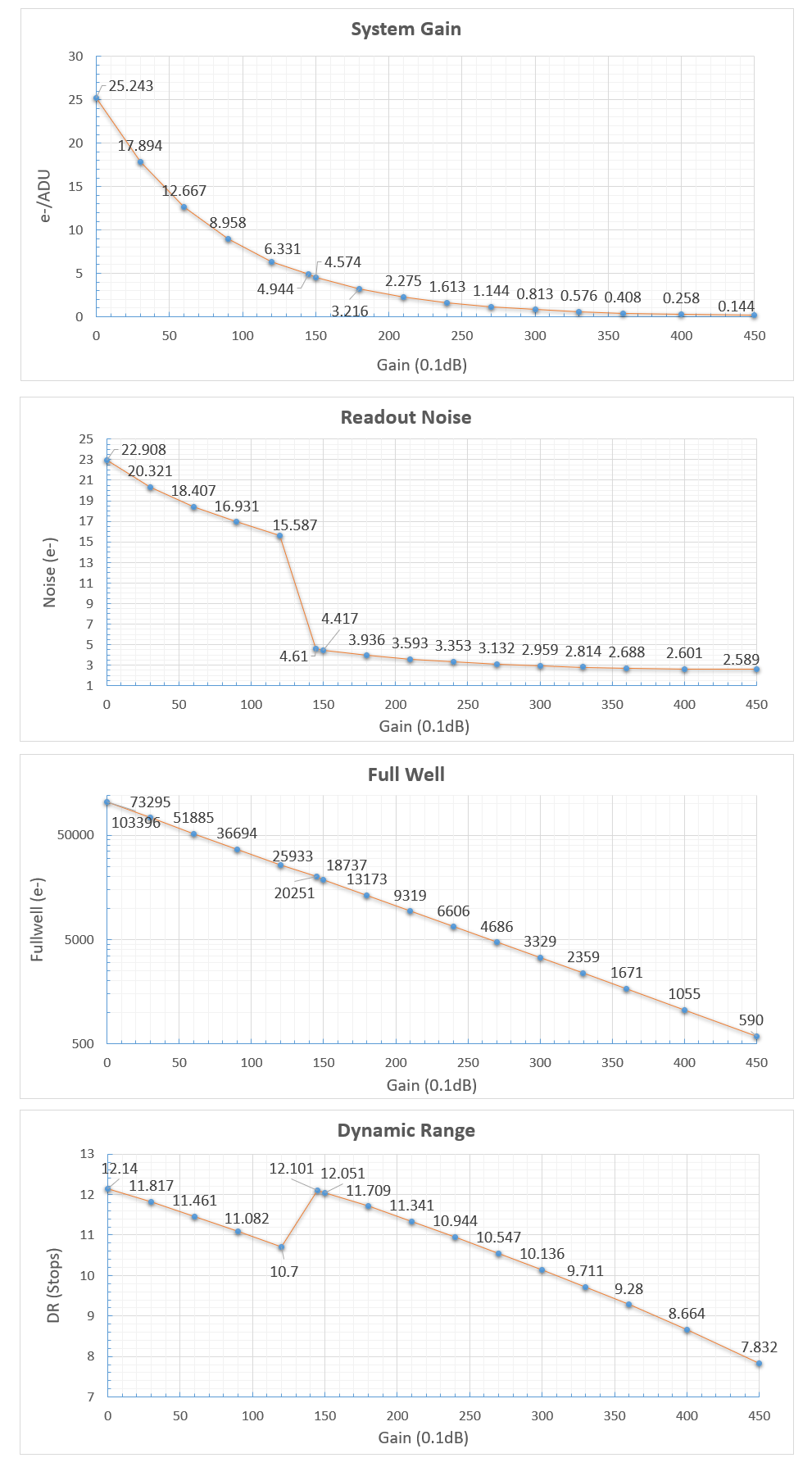
• pełna studnia ≈ 77 ke-, szum odczytu < 2 e- (tryb HCG) – szeroki zakres dynamiczny
• bufor DDR-III 128 MB – płynny transfer przy długich seriach
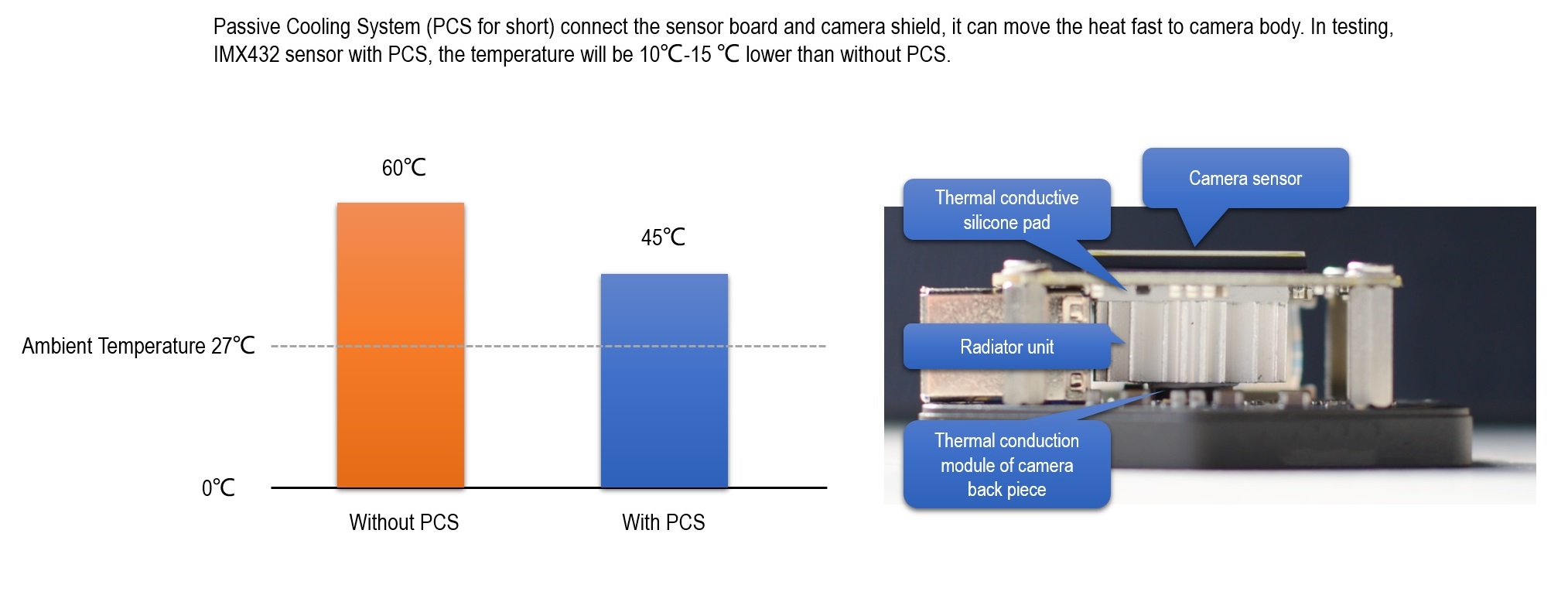
• system PCS (passive cooling) – radiator + aluminiowy korpus odprowadzają ciepło sensora
• okno Super AR Plus – wysoka transmisja 310–1100 nm, redukcja refleksów
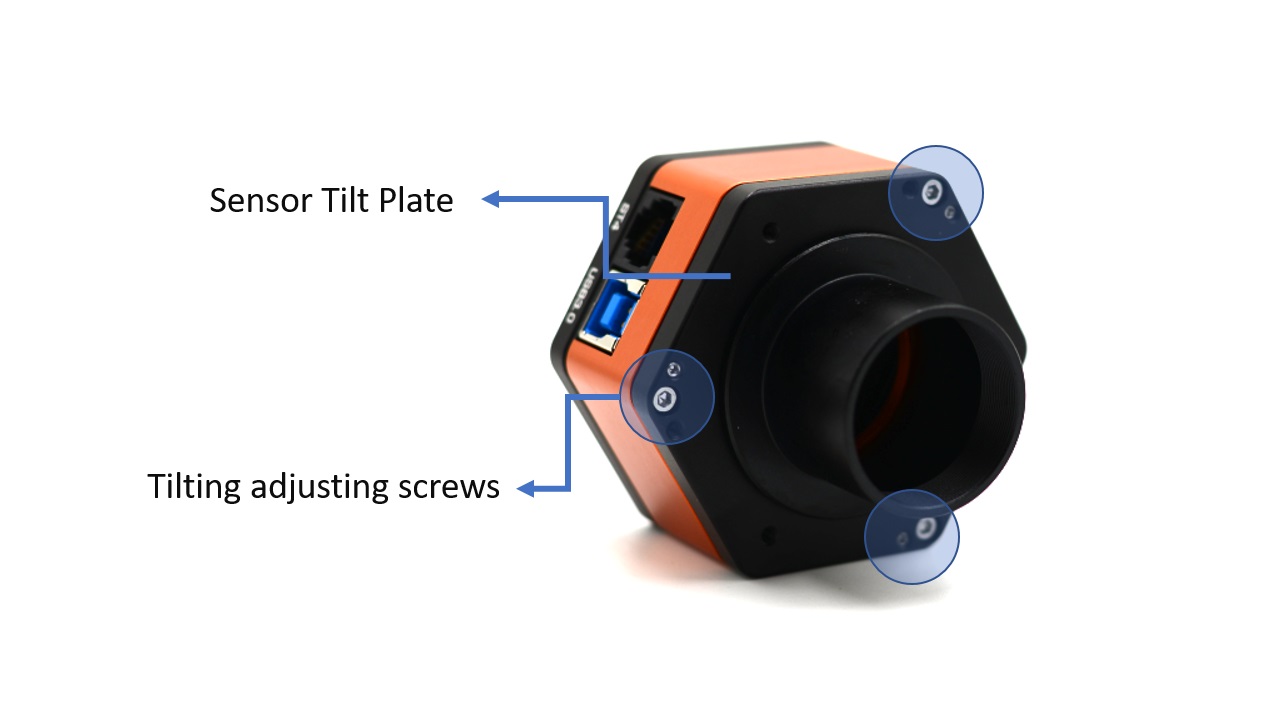
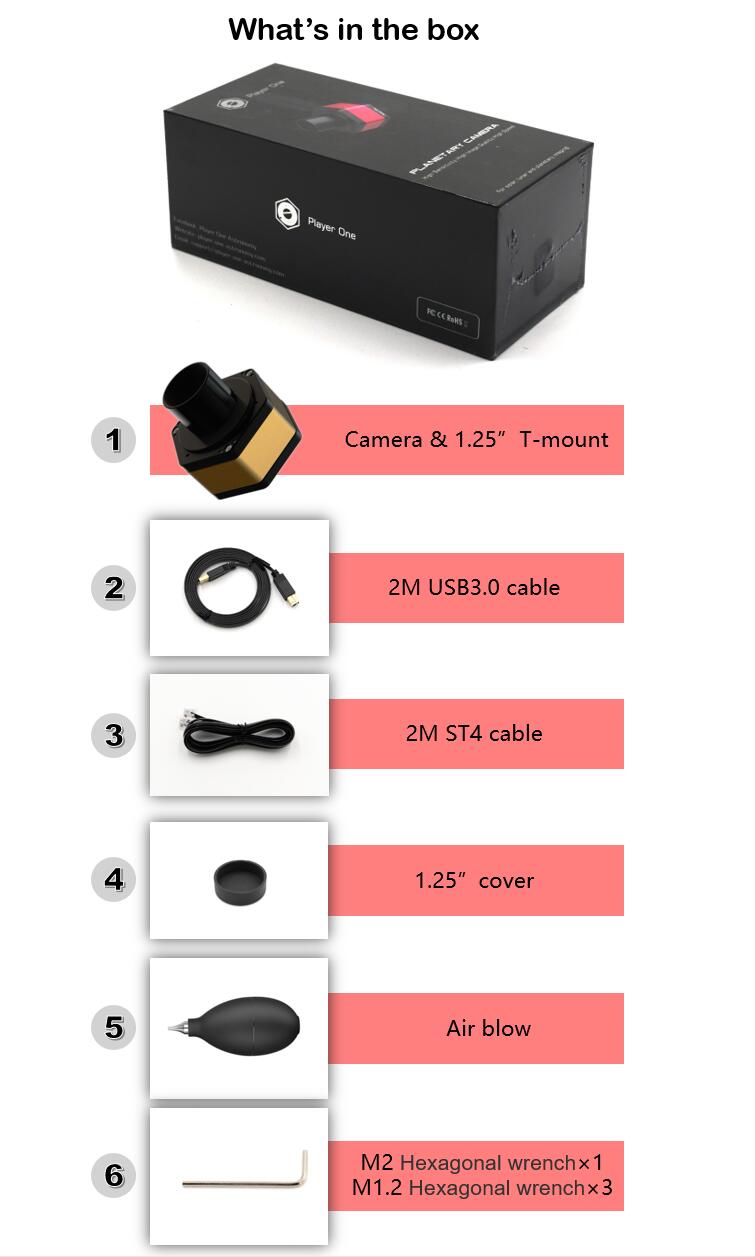
• port USB 3.0 micro-B (5 Gb/s) + złącze autoguidera ST-4
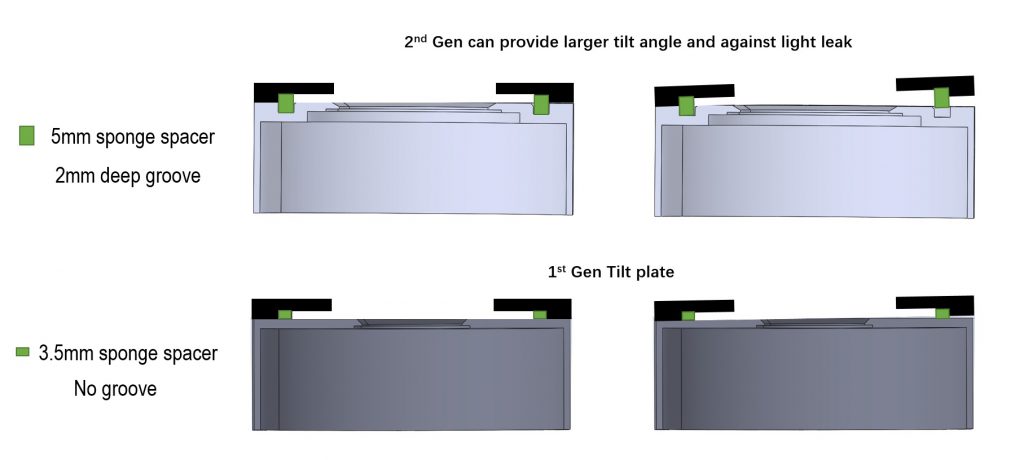
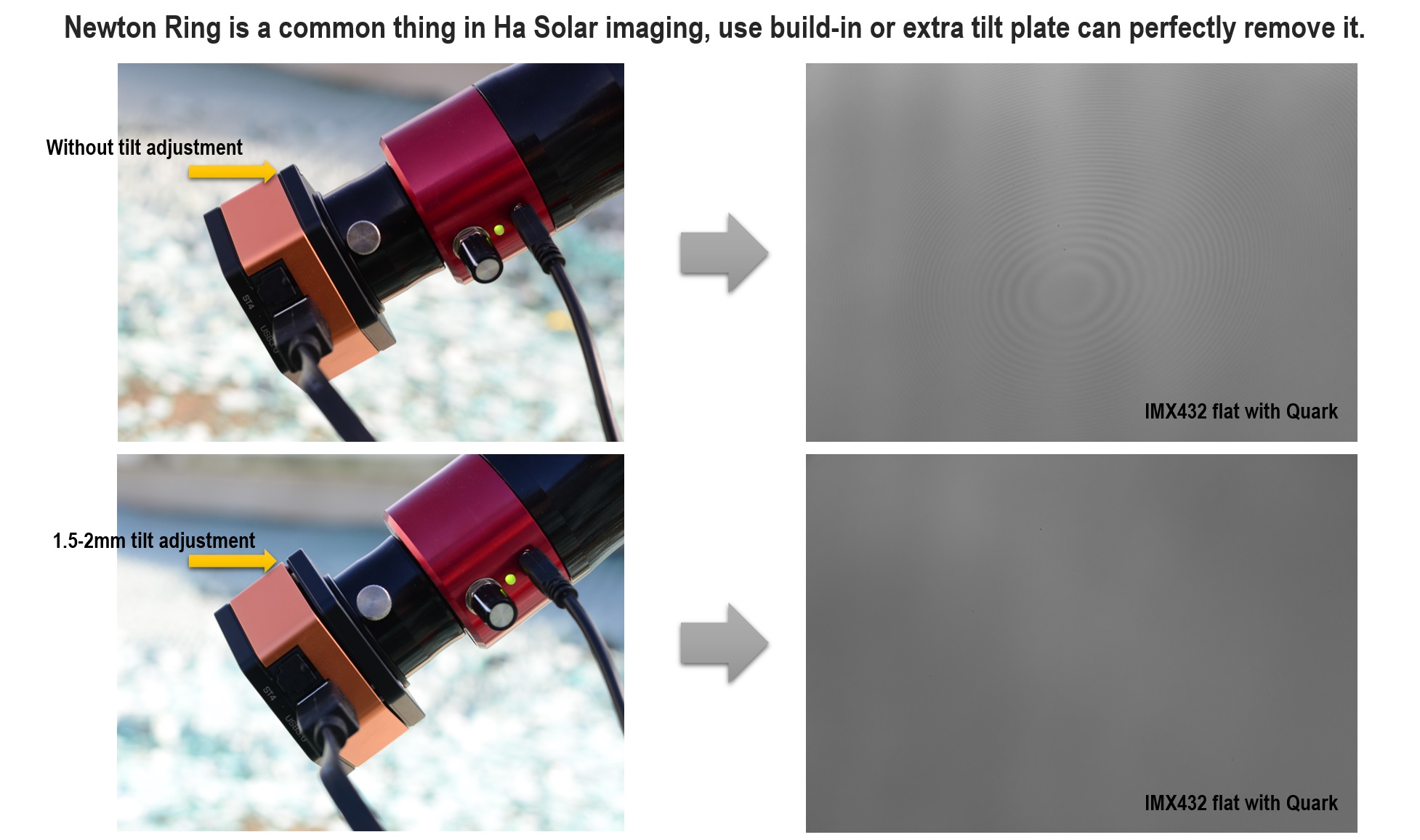
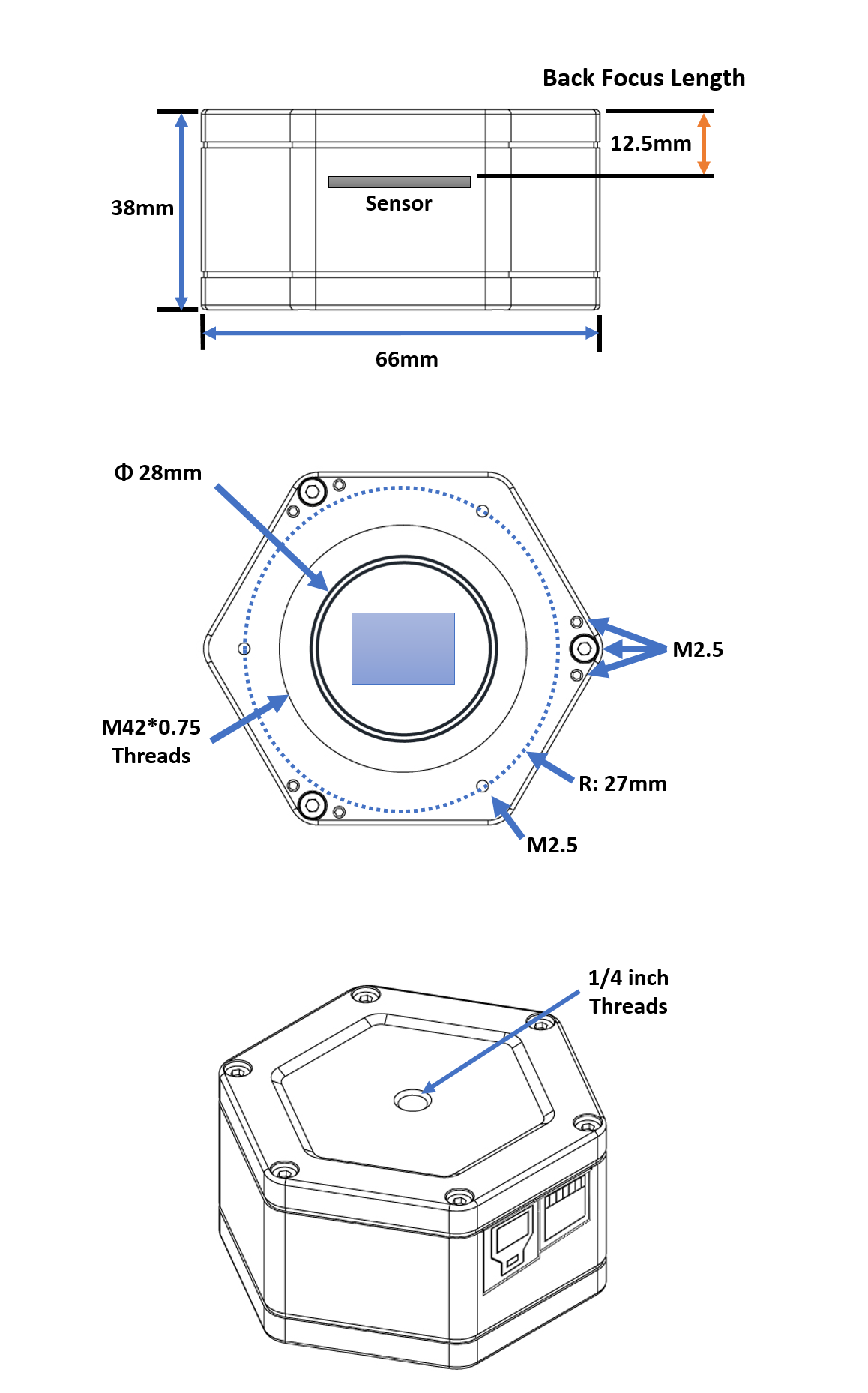
• gwint noska 1,25″ i wewn. M42 × 0,75 – łatwa integracja z tilterem SFT i szufladą FD MINI
• sensor: Sony IMX432 mono, CMOS, global shutter
• format / przekątna: 1,1″ (17,5 mm), pole 14,5 × 9,9 mm
• rozdzielczość: 1608 × 1104 px (1,78 MP)
• rozmiar piksela: 9 µm
• ADC: 12 bit / 10 bit (RAW)
• pełna studnia: ≈ 77 ke- (gain 0)
• szum odczytu: 1,4 – 3,2 e- (zależnie od gainu)
• maks. FPS: 120 fps @ RAW10, 300 fps @ ROI 640 × 480
• ekspozycje: 32 µs – 2000 s
• bufor pamięci: 128 MB DDR-III
• back-focus (z noskiem 1,25″): 12,5 mm
• interfejsy: USB 3.0 micro-B, ST-4 (RJ-12)
• chłodzenie: PCS pasywne (radiator); kompatybilny moduł ACS (aktywne)
• wymiary / masa: Ø 60 mm × 32 mm / ≈ 175 g
• zasilanie: 5 V DC z USB (≤ 450 mA)
• kompatybilne OS: Windows 7/10/11 (ASCOM), macOS, Linux (INDI)
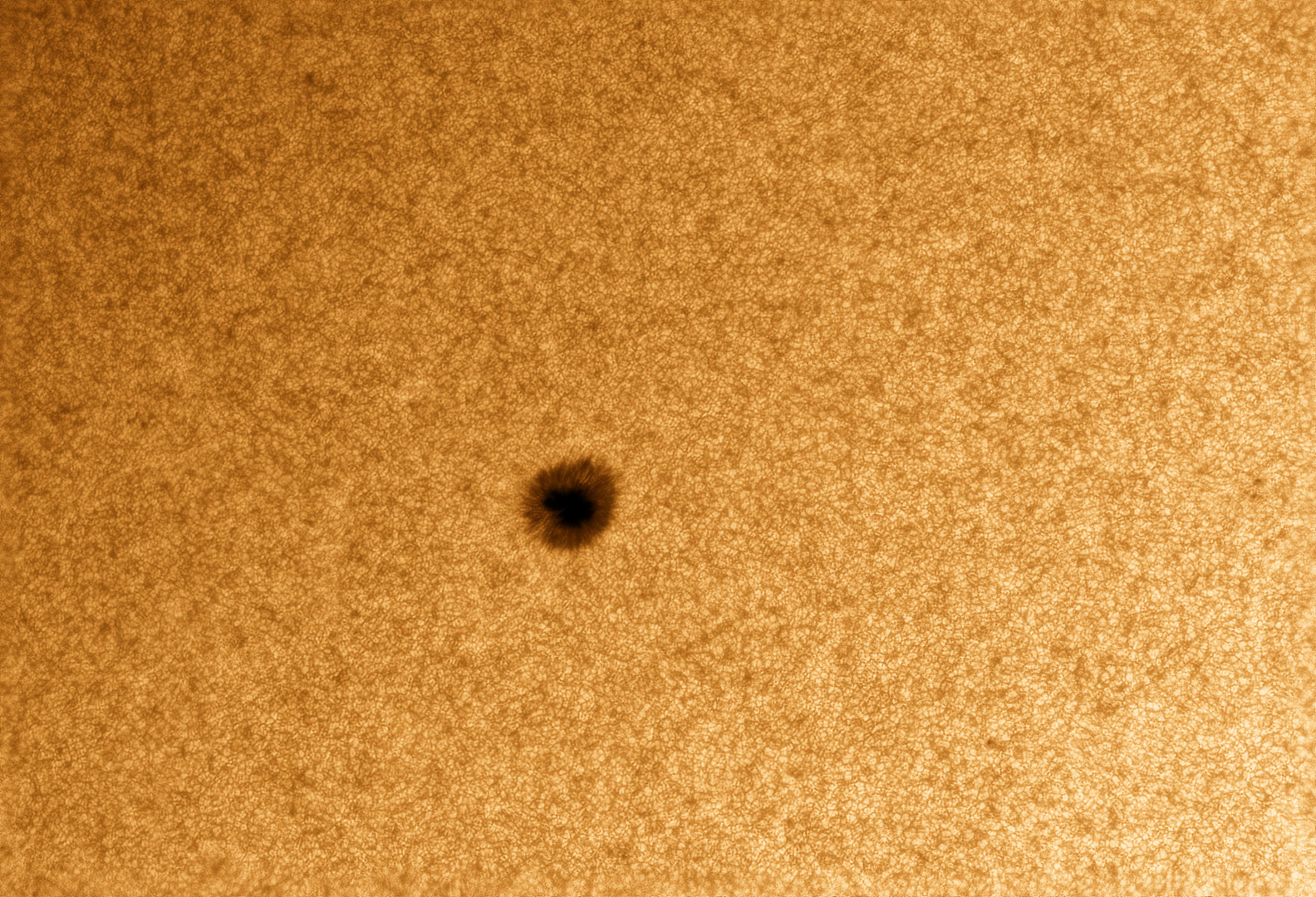
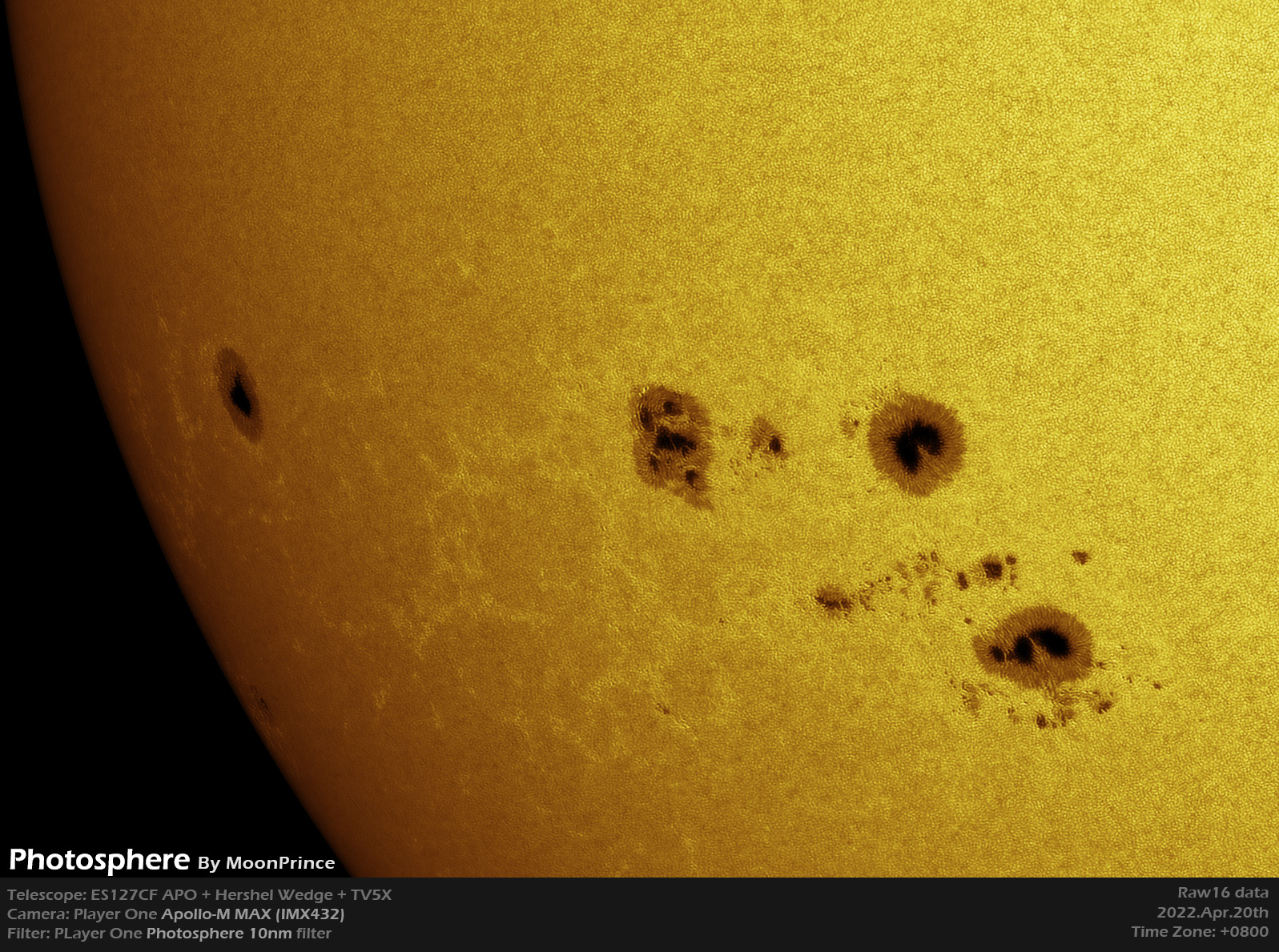
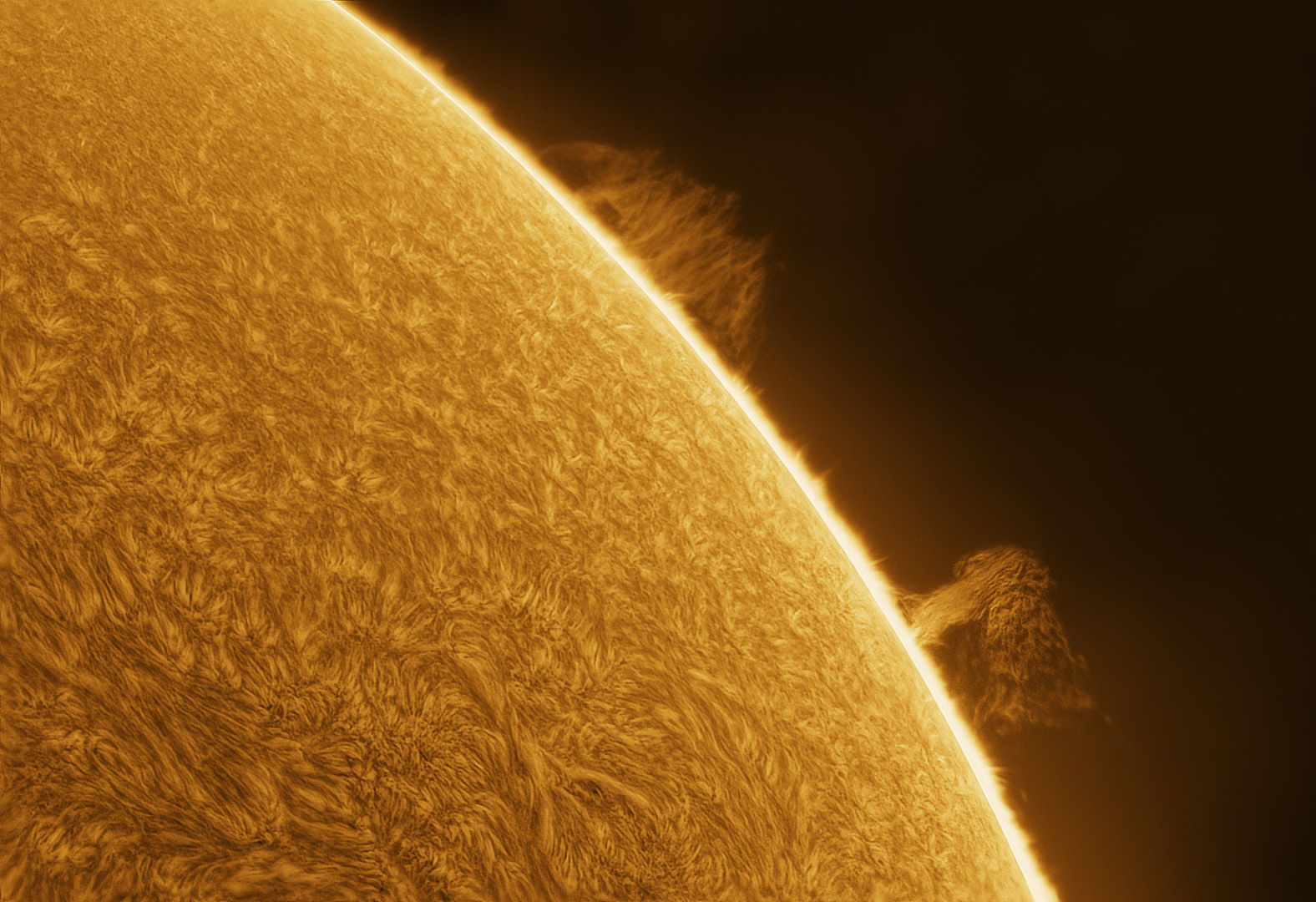
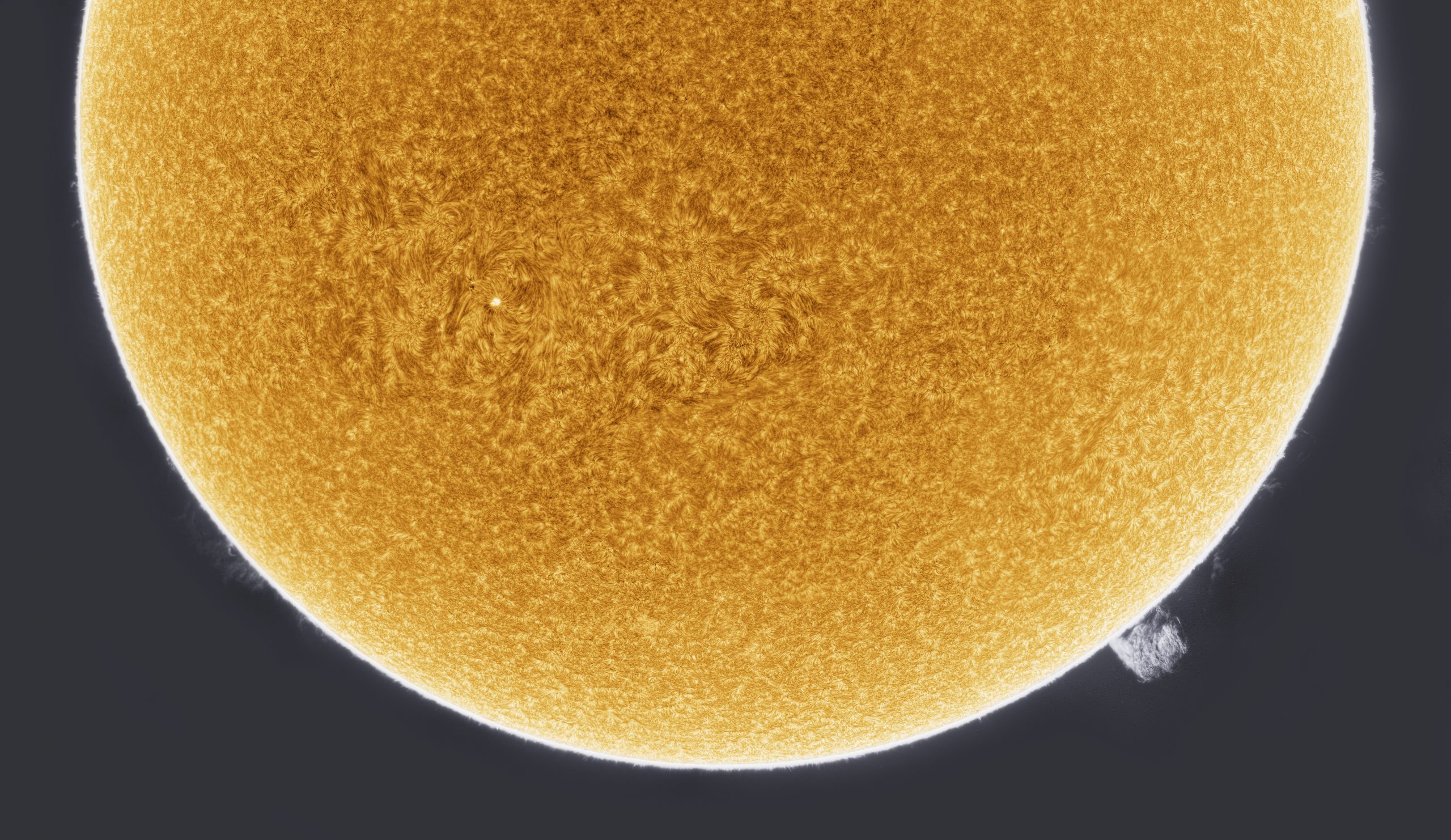
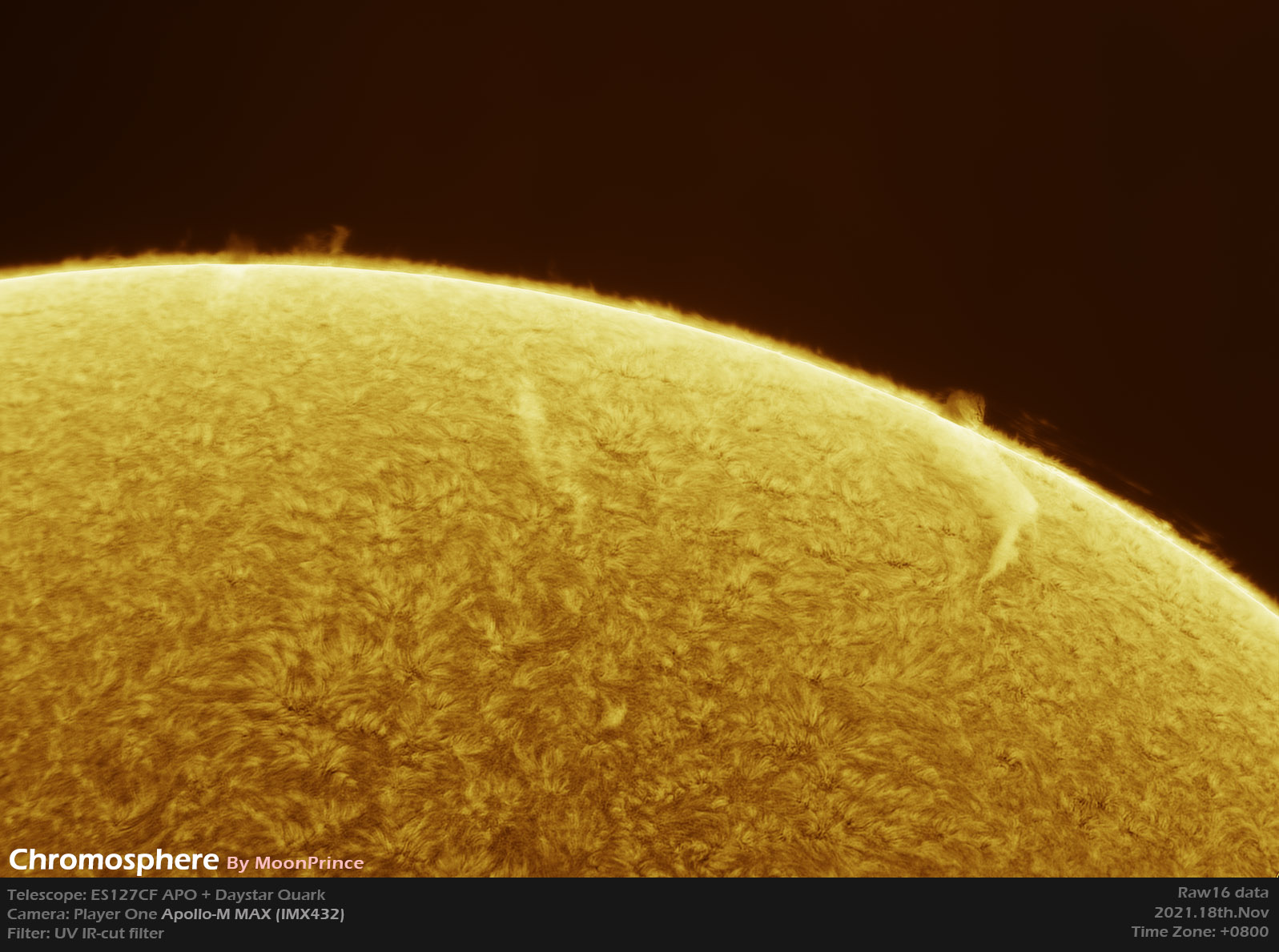
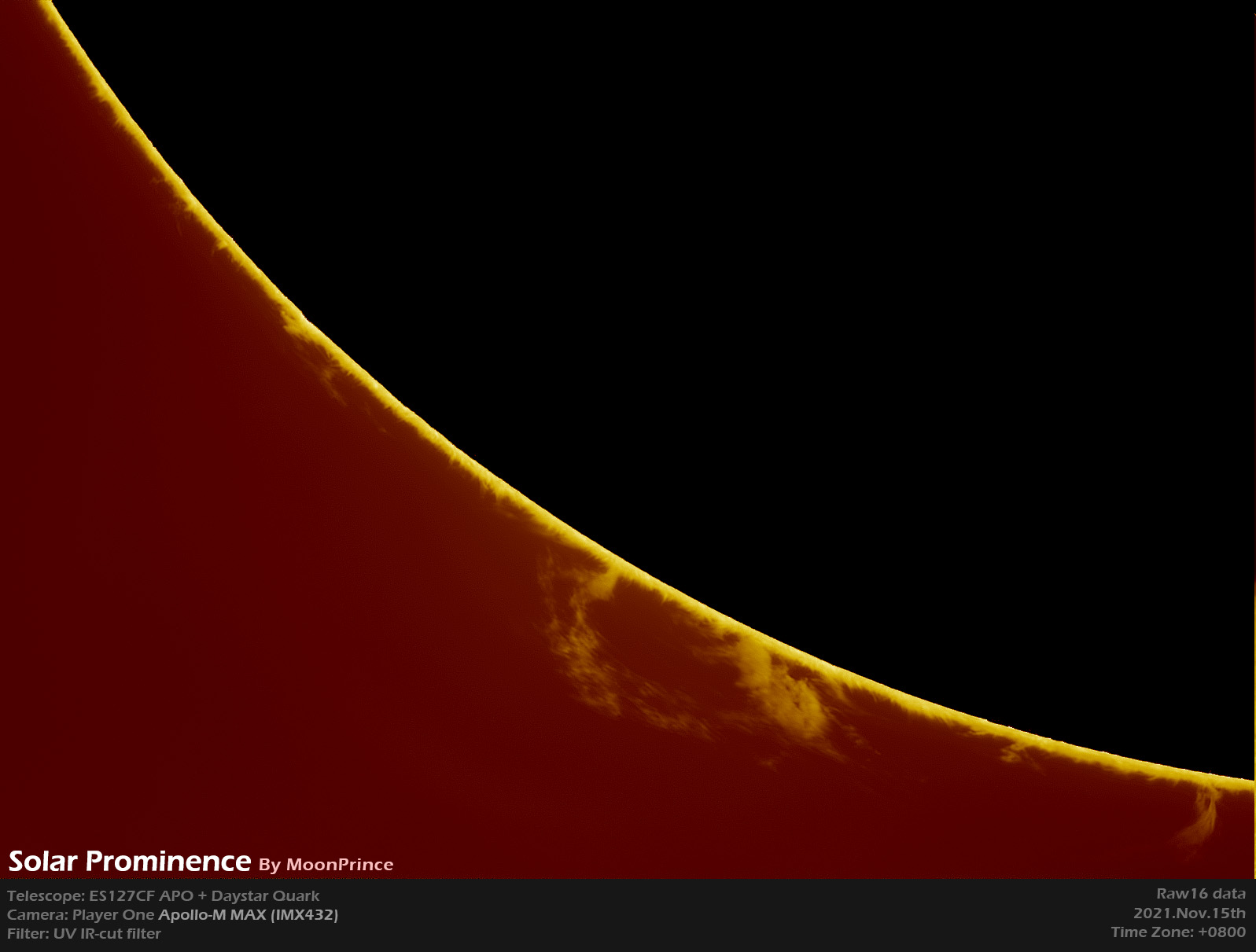
Apollo-M MAX to doskonałe narzędzie do rejestrowania drobnych szczegółów fotosfery w świetle białym, flar H-α, struktury plam, a także chmur i pasów Jowisza czy pierścieni Saturna. Duży piksel 9 µm ułatwia uzyskanie prawidłowego próbkowania z dłuższymi ogniskowymi, a globalny shutter eliminuje zniekształcenia na szybko przesuwających się obiektach.










.png)