In short, WO Flat61R does not reach the focus with GS61, it's too long (a shorter version is required). I had two nights, a total of ~4 hours between clouds to test GS61 with a Teleskop-Service flattener / reducer TSred279 (TS-Optics REFRACTOR 0.79x 2" ED Reducer Corrector).
Technically, my final conclusion is that 73.2mm (including 1.85 mm*0.33 ~ 0.7 mm optical path of L-Extreme filter in consideration) is the back focus that this combination could be use to reach focus at infinity and produce perfect results for 4/3” sensor, and acceptable up to full frame sensor.
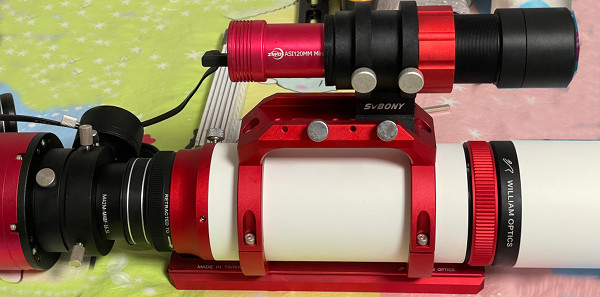
This is the setup (ASI2600MC pro with L-eXtreme in the drawer, BTW, OAG also works fine) of setting to 73.2 mm back focus and reaching focus was done by the front piece extended to ~2 mm mark:
… and the results out of it (3 min single sub of the NGC7000 region). It is auto stretched in ASIAir and saved as jpg. While testing, guiding better than 1” is guaranteed.
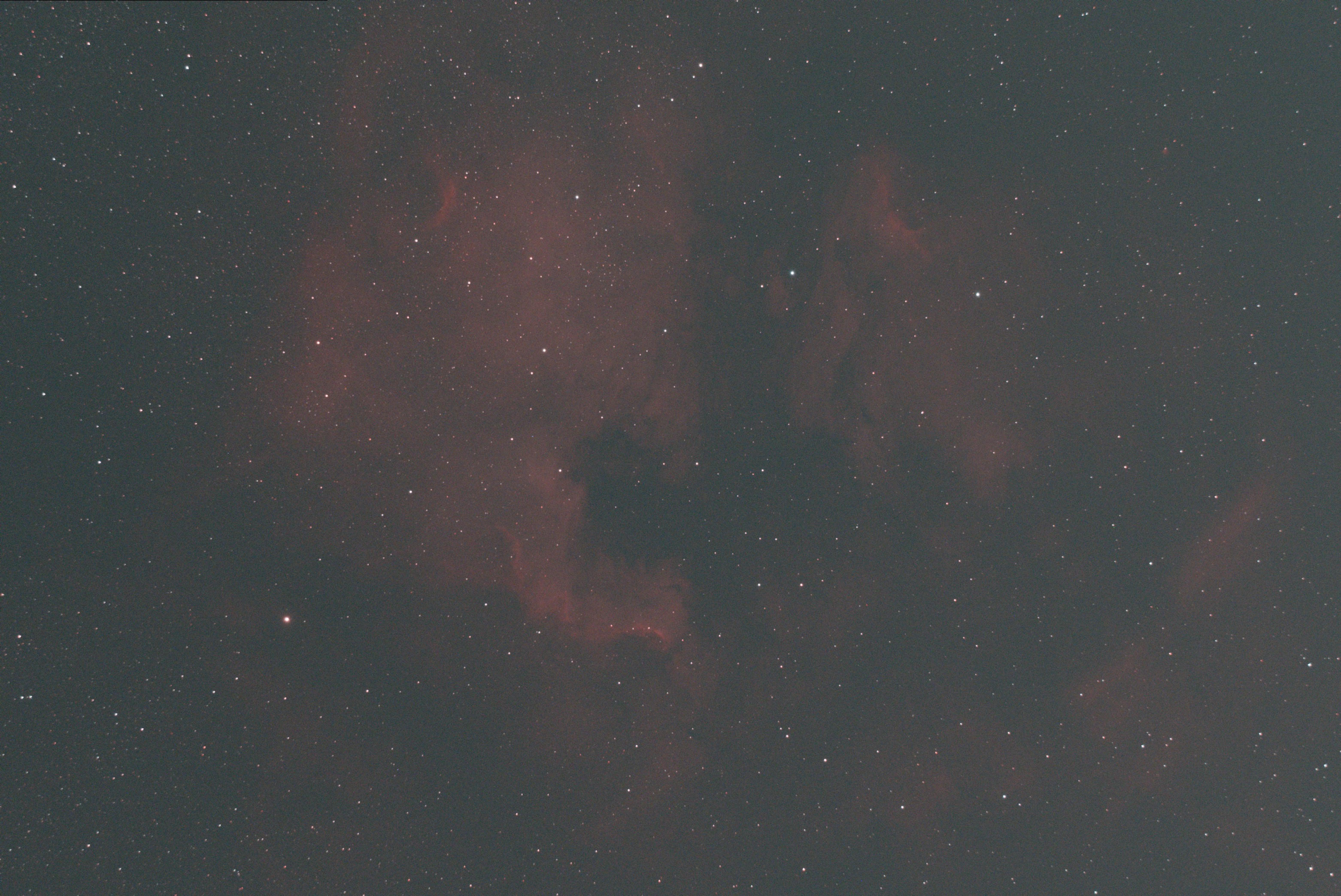
The stars in the four corners show symmetrically some coma, indicating no tilt, which was a trouble when I used EvoGuide 50ED that has very loose helical focuser. Plate solved FL was 287 mm, meaning the reducing factor is 0.797x, slightly larger than the designed reducing factor of 0.79x. I think 77 mm back focus should produce perfectly round stars to the corner, but this would not allow focus at infinity. Nevertheless the residual coma at corners might also be the residual optical aberration of the reducer/flattener by its design. I mean, I could not see too much of improvement of it increasing the BF from 70 to 73 mm. Furthermore, the shape of coma is not typically familiar to me as improper back focus.
As for portable setup and consider balancing, the weight of TSred279 is much lighter than Flat61R. Flat61R is ~500g and 325g with rotator removed, and TSred is only 195g.
See attached some more results:
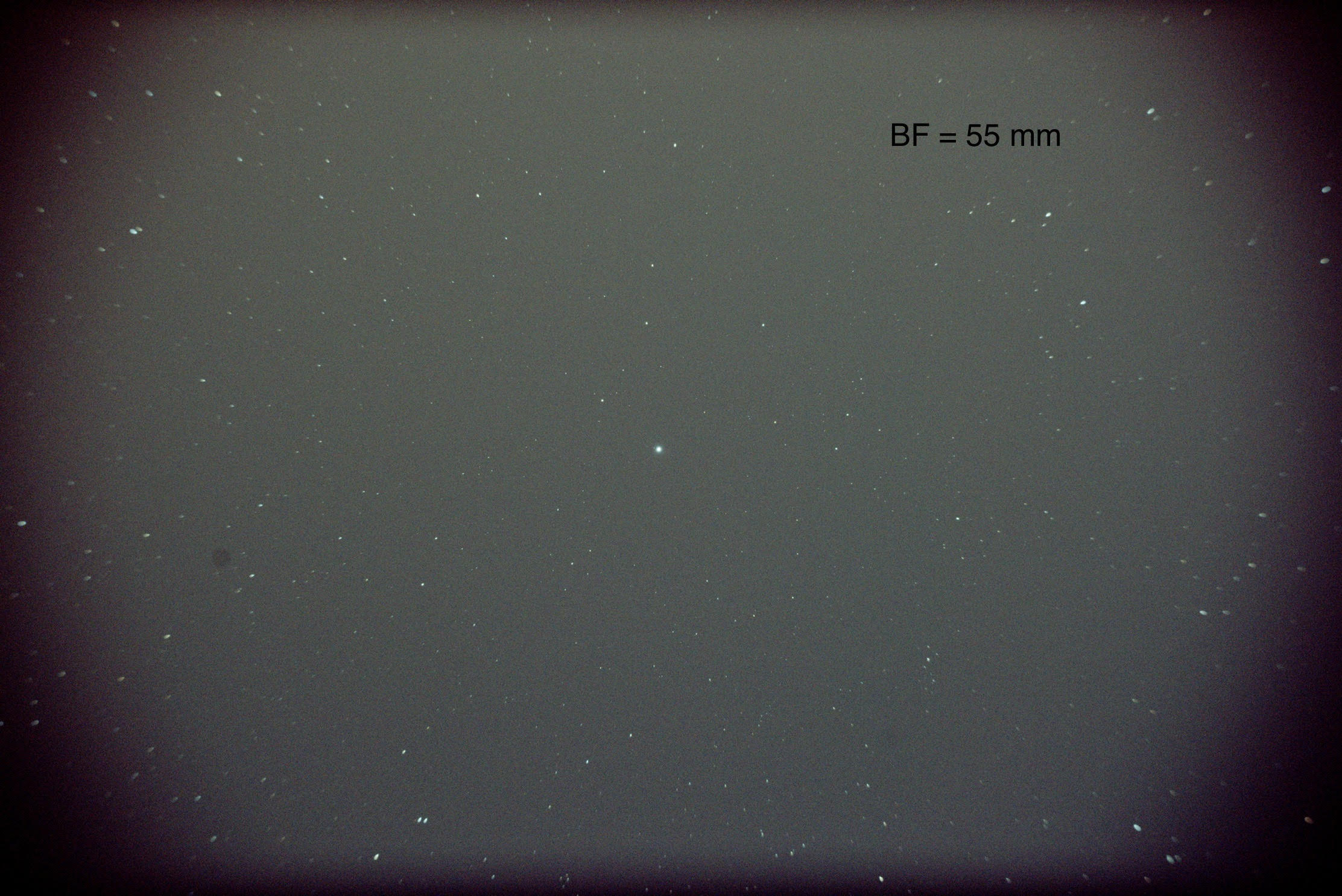
- Full frame using 55mm back focus, no filter. Only to show the “bad” case. The vignetting is exaggerated when auto stretched, and can be fully corrected with flats.
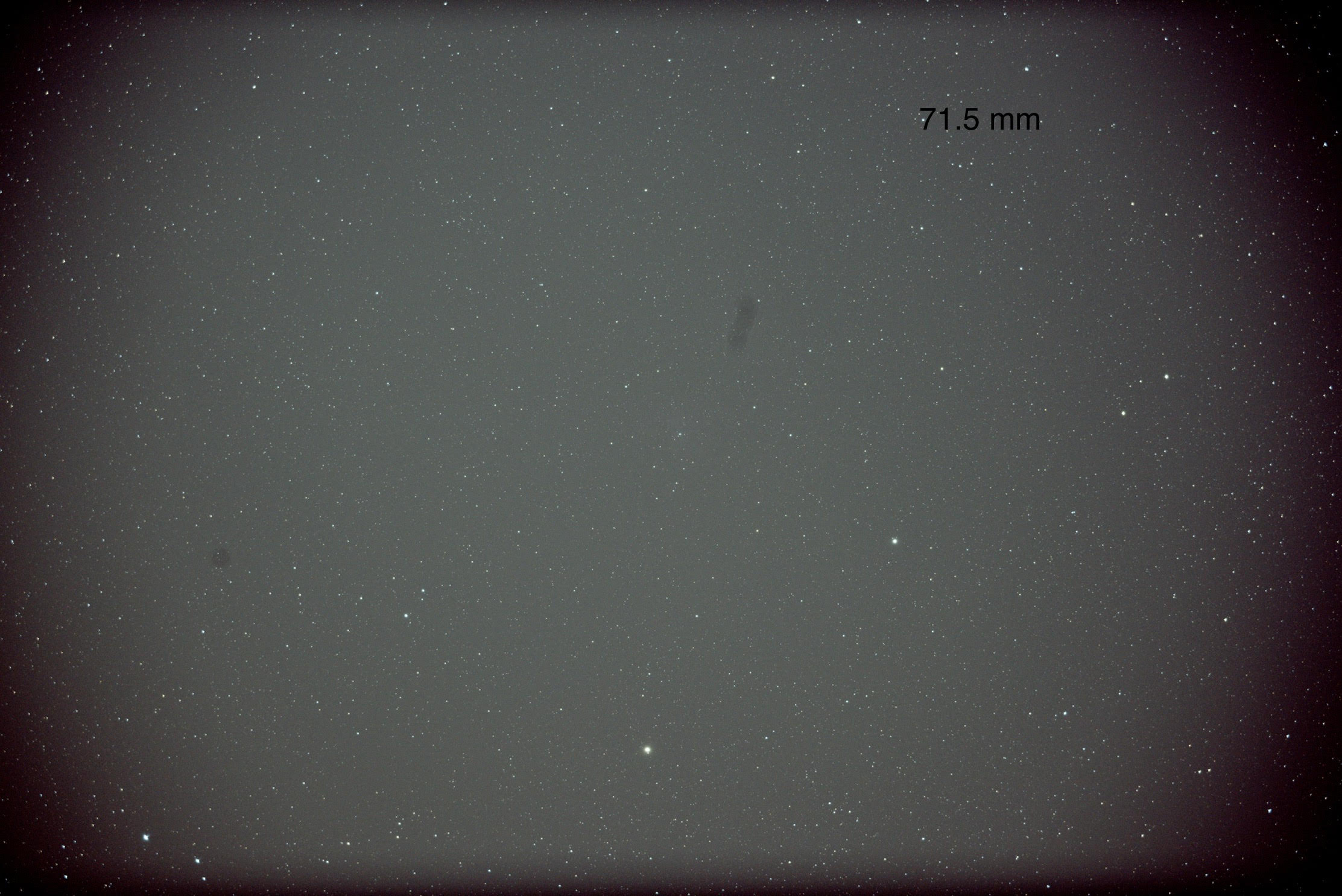
- Full frame with BF = 71.5 mm
by M. Wu from University Erlangen-Nuremberg, Germany