|
|
 Sklep internetowy: Sklep internetowy:
● brak produktu
Sklep w Warszawie:
● brak produktu
Sklep w Chorzowie:
● brak produktu
|
|
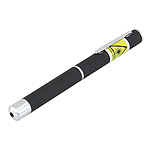
Zielony wskaźnik laserowy - coraz bardziej popularny wśród miłośników astronomii ze względu na możliwość wskazania innym osobom obiektów na niebie. Zasięg lasera o mocy 10mW to około 5 kilometrów. Zielony laser może także służyć jako wydajny szukacz zamiast lunetki celowniczej.
Zielone wskaźniki laserowe świetnie sprawdzają się także jako wskaźniki dla wykładowców, gdyż są zdecydowanie lepiej widoczne od popularnych czerwonych wskaźników.
Warto pamiętać, że 10 mW to moc wyjściowa wiązki, nie zaś pobór mocy z baterii. Pobór mocy lasera 10 mW to około 350 mW, energia ta jest wykorzystywana do pompowania optycznego kryształu emitującego spójną wiązkę laserową. Na aukcjach internetowych pojawiają się często bardzo tanie wskaźniki laserowe o mocy 200 mW, ale są to w istocie lasery co najwyżej 5 mW, gdyż sprzedawcy podają moc pobieraną, a nie moc wiązki!
Wskaźnik laserowy + 2 baterie zasilające AAA (małe "paluszki") opakowany jest w etui zapewniające bezpieczny transport i przechowywanie urządzenia.
Na poniższym filmie pokazany bardzo podobny, jednak nieco inny model zielonego wskaźnika!
• moc wiązki wychodzącej: 10 mW
• długość fali wiązki λ = 532 nm +/- 10 nm
• zasilanie: 2 x AAA 1,5 V ("małe paluszki")
• rozmiar plamki na odległości 5 metrów: 4-6 mm
• długość: 15,5 cm
• średnica tubusu: 13,7 mm
• waga (bez baterii): ok. 35 gramów
2 lata


Uwaga: nigdy nie kieruj wiązki lasera w kierunku ludzi, zwierząt, obiektów o dużym współczynniku odbicia (zwierciadła, szyby, powierzchnie metalowe itp) i w jakimkolwiek kierunku, gdy może to wyrządzić szkodę osobom, zwierzętom lub przedmiotom. Laser zielony charakteryzuje się dużą mocą i może m.in. uszkodzić wzrok, a w przypadku laserów o większej mocy, powodować poparzenia / wywołać zapłon itp. Nigdy nie kieruj wiązki laserowej w kierunku ludzi, zwierząt, pojazdów, w szczególności samolotów. Używaj lasera odpowiedzialnie!
Ponieważ promieniowanie laserowe o tej samej mocy lecz o różnych długościach fal może wywołać różne skutki, podczas oddziaływania z tkanką biologiczną, lasery podzielono na klasy. Zasady bezpiecznej pracy z urządzeniami laserowymi podano w Polskiej Normie PN-EN 60825-1:2005. Niniejszy laser należy do kategorii – 3B (lasery, które są niebezpieczne podczas bezpośredniej ekspozycji promieniowania. Patrzenie na odbicia rozproszone jest zwykle bezpieczne.)
|















.png)