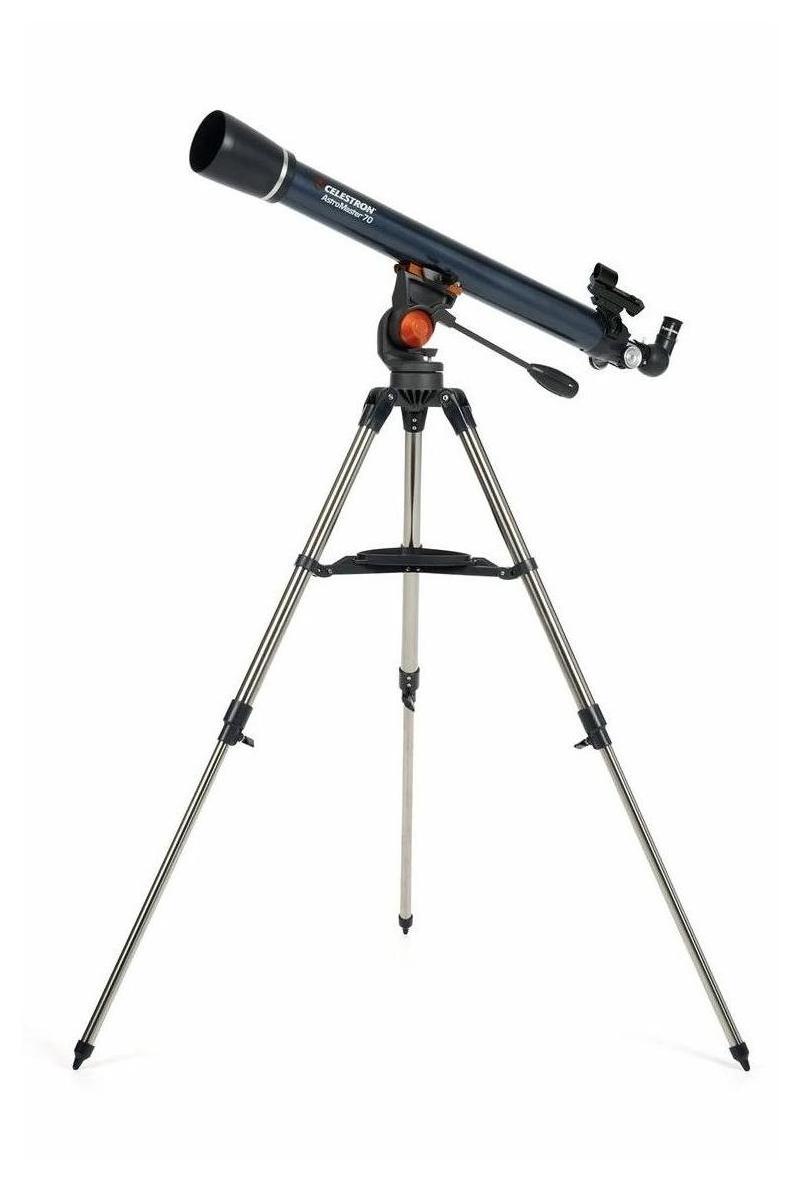
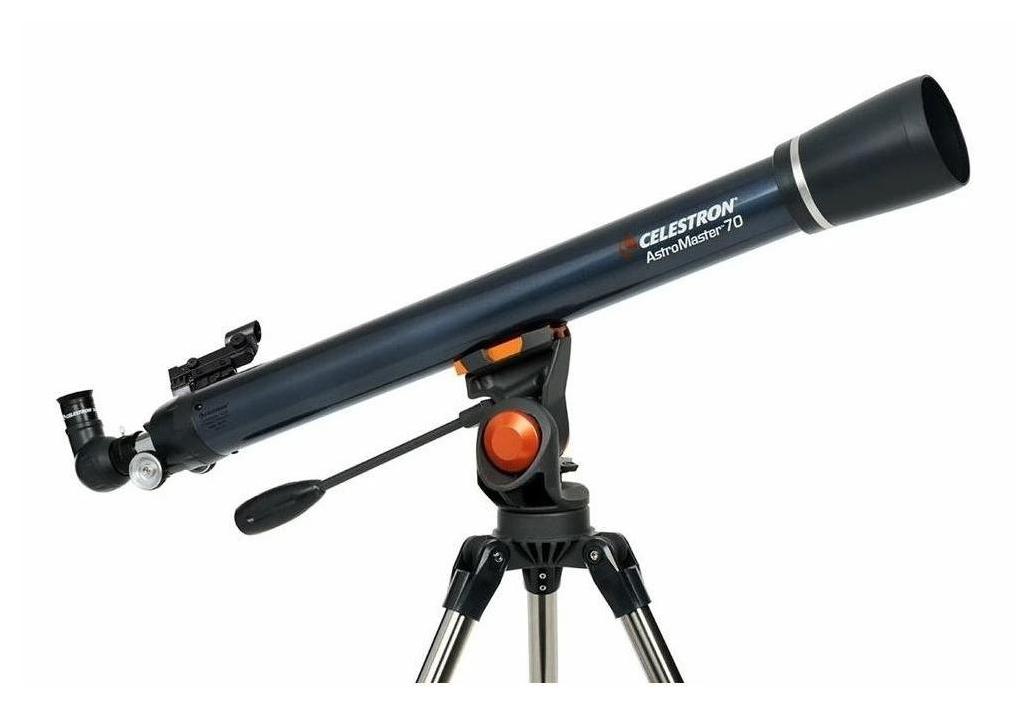
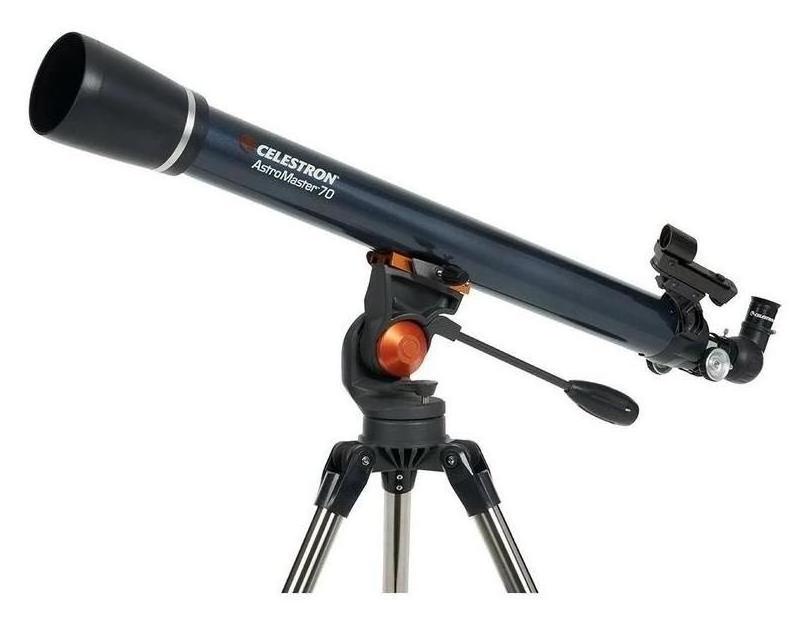
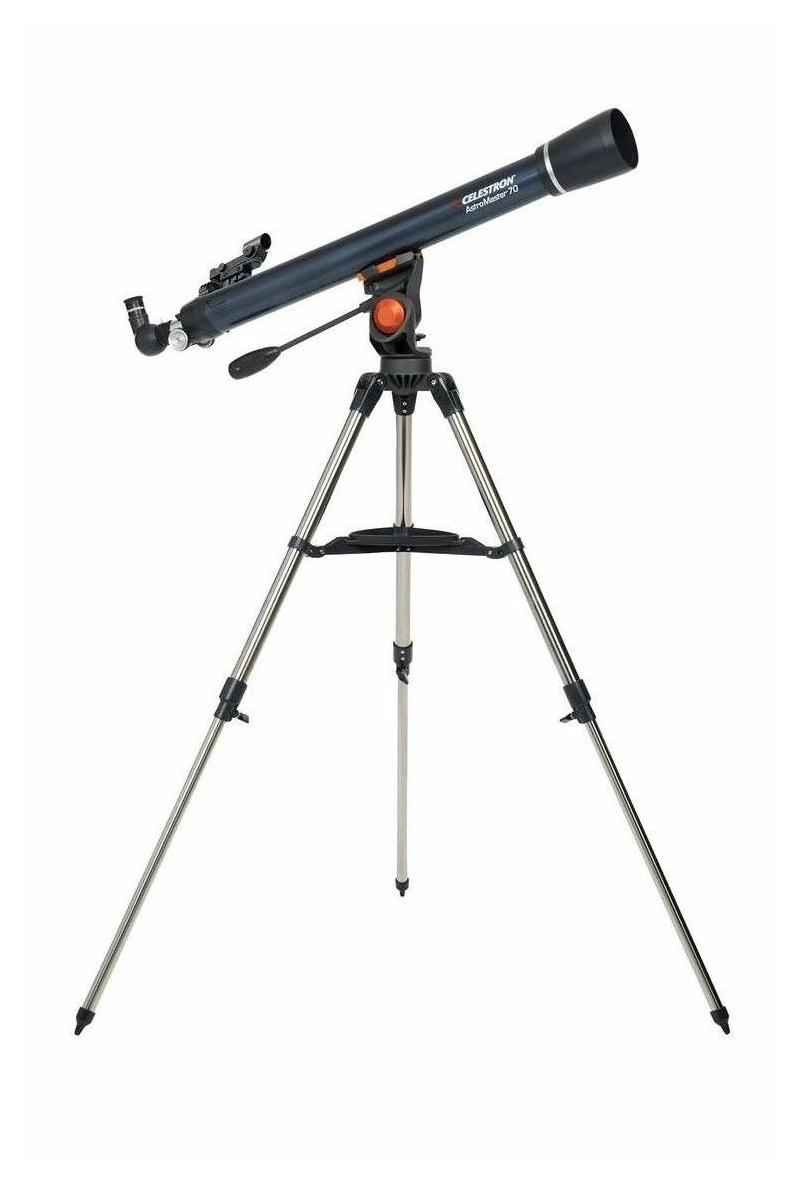
Teleskop Celestron Astromaster 70 AZ to refraktor (teleskop soczewkowy) na montażu azymutalnym, wszechstronny instrument optyczny do obserwacji astronomicznych oraz jako luneta do obiektów naziemnych. Przeznaczony głównie do obserwacji Księżyca oraz planet.
Obiektyw achromatyczny o rozmiarze 70 mm umożliwia obserwacje Słońca - plam słonecznych (po założeniu filtru słonecznego dostępnego w naszym sklepie), Księżyca - kraterów, mórz, gór, Merkurego - fazy, Wenus - fazy, Marsa - tarcza, szczegóły w czasie opozycji, Jowisza (pasy zwrotnikowe, księżyce Jowisza), Saturna (pierścień, Tytan - największy księżyc), tarczy Urana i Neptuna. W zasięgu możliwości tego teleskopu są jaśniejsze komety (gdy widoczne), planetoidy oraz setki galaktyk, mgławic, gromad kulistych i otwartych, niezliczone gwiazdy podwójne i wielokrotne. Teleskop ten, ze względu na małą wagę, idealnie nadaje się jako sprzęt podróżny / przenośny. Dobrze sprawdza się w warunkach miejskich, jako sprzęt balkonowy.
Księżyc
planety
gromady gwiazd
mgławice
krajobrazy
|
• System optyczny: | refraktor (dublet achromatyczny) |
|
• Średnica obiektywu: | 70 mm
|
|
• Ogniskowa obiektywu: | 900 mm
|
|
• Światłosiła: | 1/12,9
|
|
• Zdolność rozdzielcza: | 2''
|
|
• Zasięg gwiazdowy teoretyczny: | 11,2mag
|
|
• Maksymalne użyteczne powiększenie: | 140x
|
|
• Wysokość trójnogu stalowego: | 106 cm
|
|
• Odległość między nóżkami przy maksymalnej wysokości statywu: | 110 cm
|
|
• Waga: | 8 kg
|
W zestawie znajdują się następujące akcesoria:
• Wyciąg okularowy 1,25''
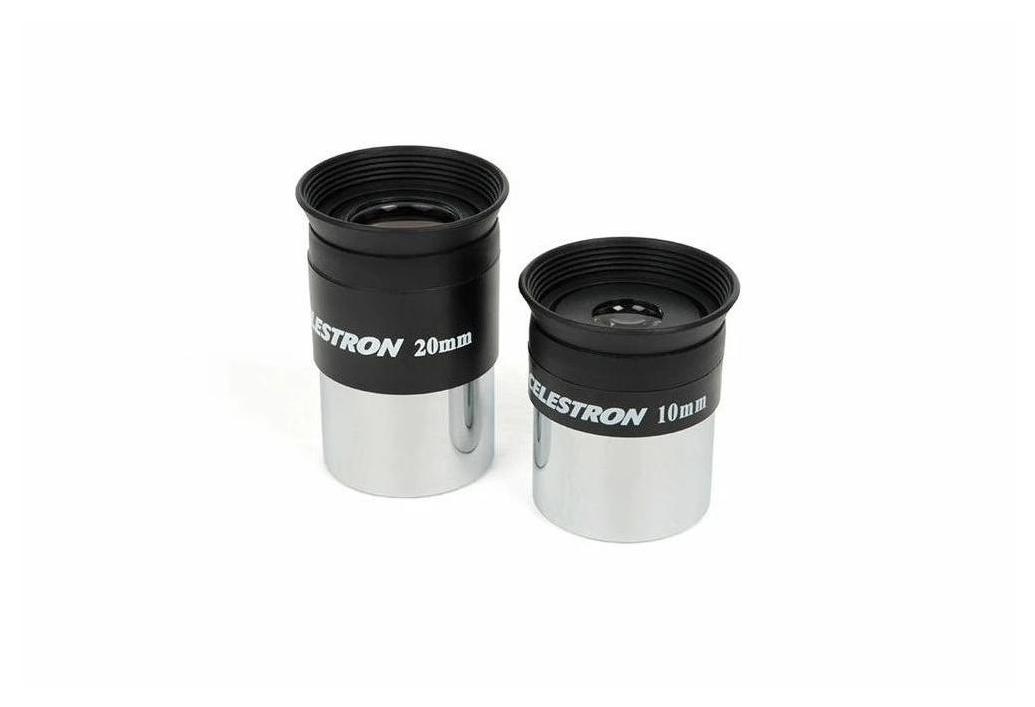
• Okulary Plossl: 20 mm (pow. 45x) i 10 mm (pow. 90x) - w standardzie 1,25'', własne pole widzenia 50°
• Lunetka celownicza StarPointer
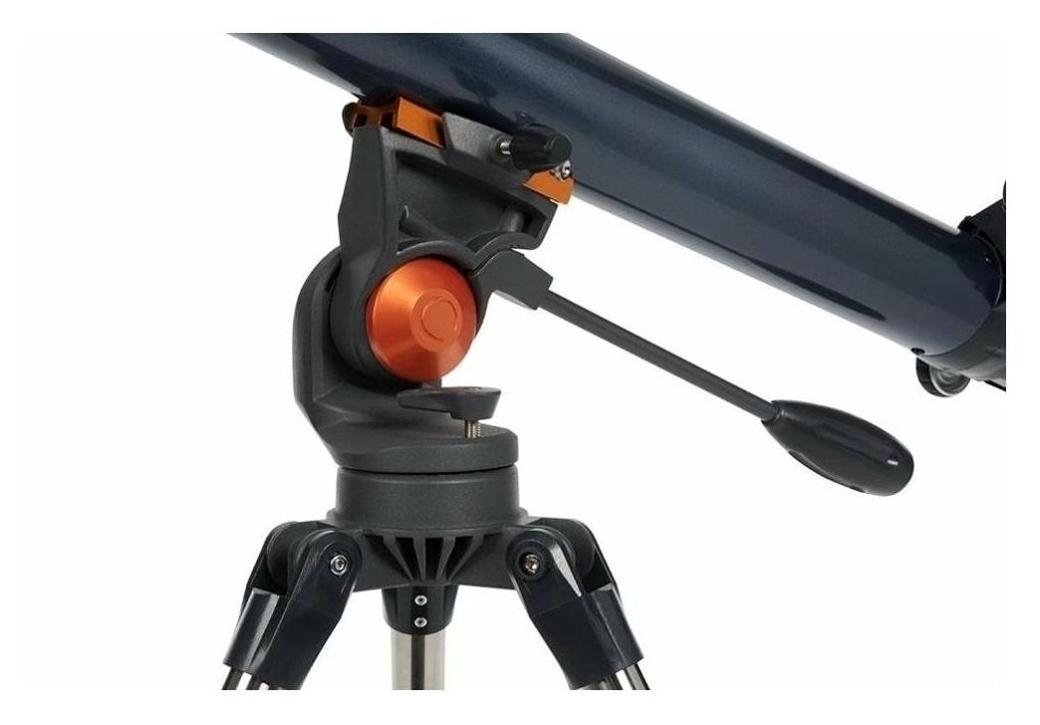
• Montaż azymutalny
• Polowy statyw stalowy o regulowanej wysokości
• Nasadka kątowa 90° pryzmatyczna
• Podstawka na akcesoria
• Płyta edukacyjna "Sky Level 1" (w j. angielskim)
3 lata gwarancji producenta na mechanikę, 2 lata gwarancji na układy elektroniczne
To urządzenie skupia dużą ilość światła. Patrzenie przez to urządzenie bezpośrednio na Słońce może spowodować częściową lub całkowitą utratę wzroku. Do obserwacji Słońca polecamy najbezpieczniejszą metodę projekcji okularowej, czyli rzutowanie obrazu tarczy naszej gwiazdy dziennej na kartkę papieru.


.png)